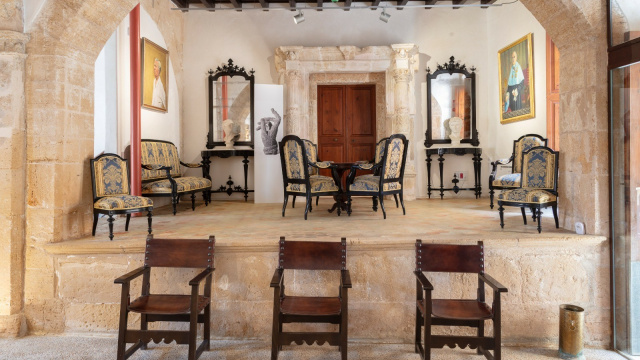
Casal Can Domenec
17th-century manor house, now home to the Pollentia Consortium and closely linked to archaeological excavations.
Can Domenec is a historic 17th-century manor house, representative of the residential architecture of Alcúdia’s former landowning class. Over time it underwent several transformations, particularly in the 19th and 20th centuries, when it came to function as a museum and as the Hispano-American Archaeological Center after being acquired by the Bryant Foundation. It is currently the headquarters of the Consortium of the Roman City of Pollentia and also hosts archaeologists and students involved in the excavations. The building, of great heritage value, preserves the Coat of Arms of the Crown of Aragon on its façade and is still undergoing adaptation through a project developed in two phases.
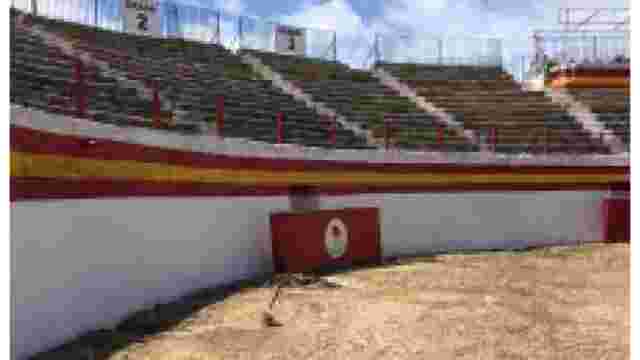
Bullring
Arena built in 1892 beside Alcudia’s walls, offering large capacity, event services, parking and full branding possibilities.
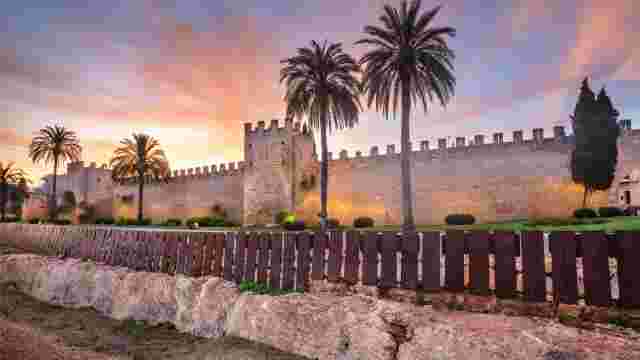
The medieval city wall
La muralla medieval d’Alcúdia, construïda al segle XIV amb torres i 1,5 km de perímetre, protegía la ciutat dels atacs pirates.
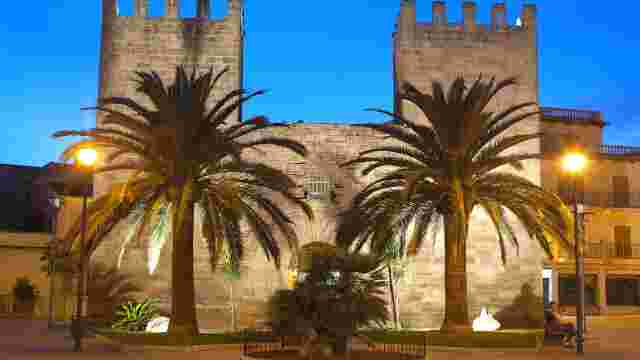
Bastions from the 16th century
16th-century bastions built for artillery. Two remain: Vila Roja and Xara, located near the old fortified gate.
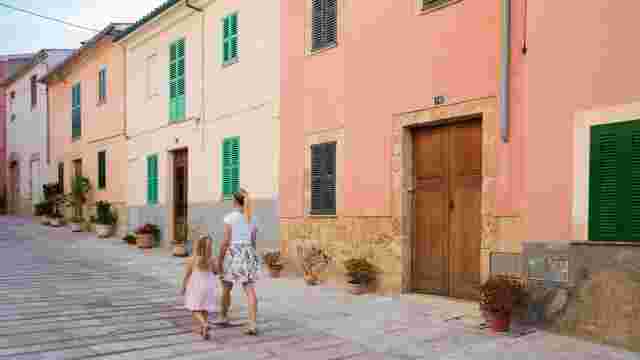
Renaissance “Casals” of Alcúdia
Renaissance manor houses in Alcúdia’s historic center, preserved from the 16th–17th centuries, including Can Castell, Can Fondo and Can Domènec.
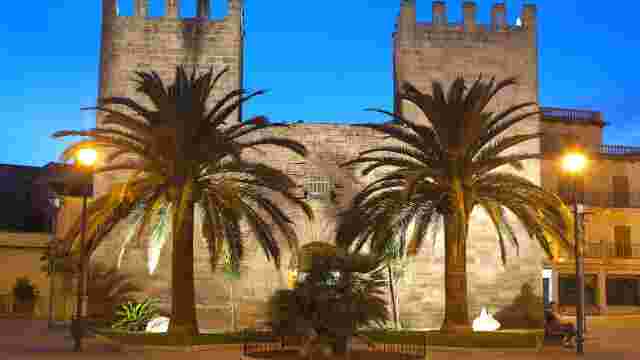
Walled city gates
The ancient gates of Alcúdia’s city walls — Moll, Mallorca and the now-lost Vila Roja — preserve unique medieval bridges, towers and remains.
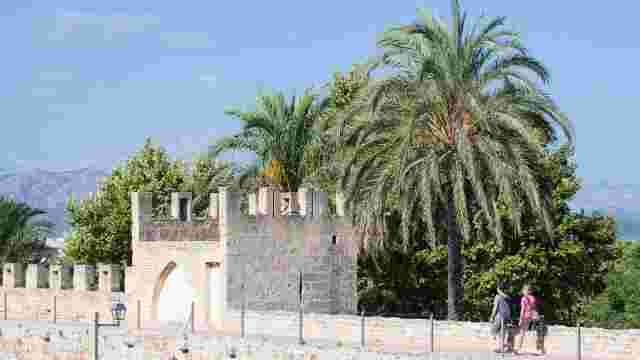
The Renaissance wall
Remains of the 17th-century fortification adapted for artillery. Sant Ferran bastion and preserved watch post stand out.
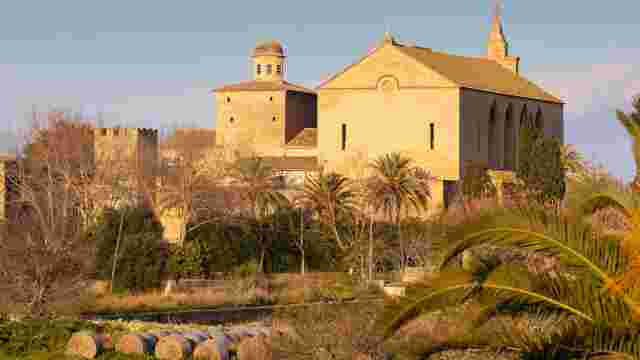
The Church of Sant Jaume
19th-century Neo-Gothic church built on the former medieval temple, featuring a single nave, rose window, sculptures of Saint James and an interesting parish...
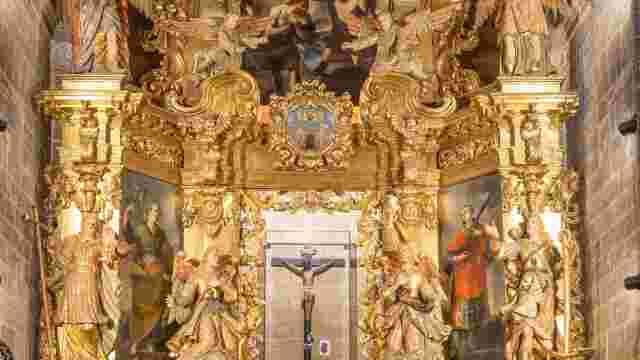
The Chapel of Sant Crist
17th-century Baroque chapel housing a 15th-century Christ sculpture linked to reported miracles and accessible from inside the parish church.
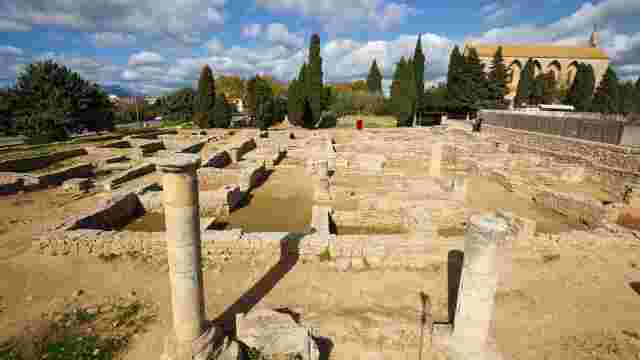
Zona arqueològica
History and excavations of Pol·lèntia from the 16th century to today, with key discoveries and major international archaeological research.
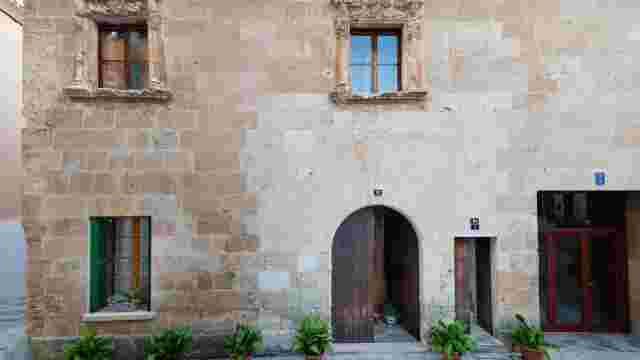
Casal Can Canta
Renaissance casal from the 16th–17th centuries, preserved almost intact. Known for its balanced façade and Mallorcan Renaissance details.
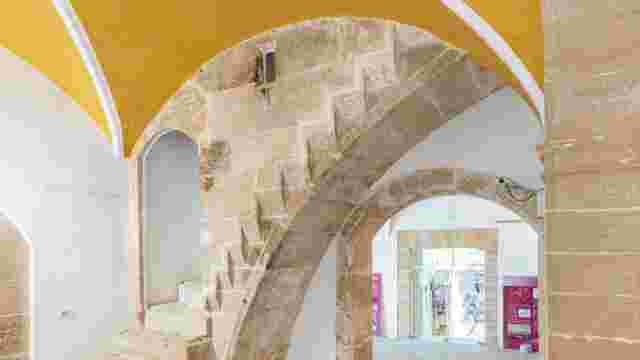
Casal Can Fondo
Cultural venue and historical archive housed in a restored 14th-century Gothic building in the center of Alcúdia.
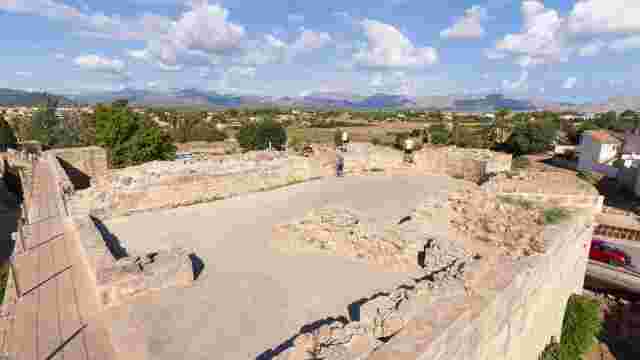
Vila Roja Gate
Medieval gate with a 17th-century stone bridge and remains of the old drawbridge. The restored vall is now a space for open-air events and performances.
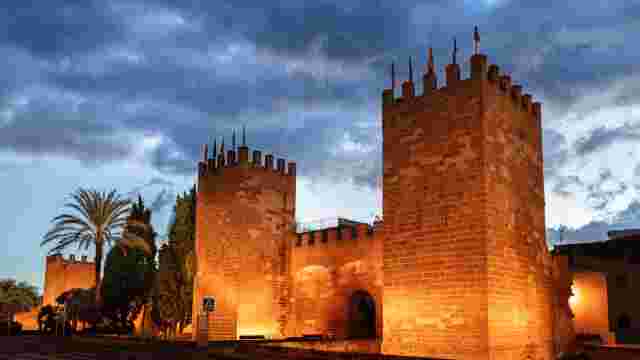
Sant Sebastià Gate
Medieval gate linking Alcúdia with the royal road to Palma. It preserves the moat, the 1963 restored towers and a 16th-century city coat of arms.
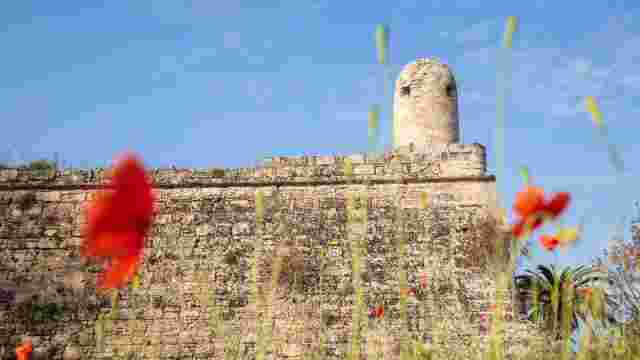
Xara Bastion
16th-century bastion built to defend Alcúdia. One of the few remaining, located next to the historic Porta de Xara.
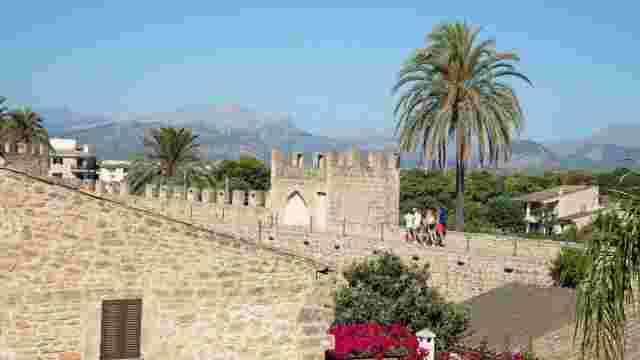
16th-Century Bastions
16th-century defensive bastions built to house artillery. Two remain today: the Vila Roja bastion and the nearby Xara bastion.
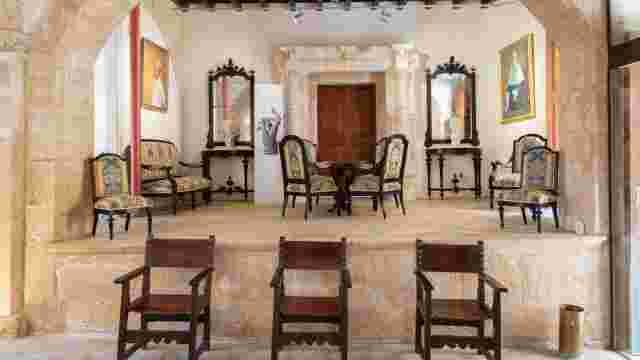
Casal Can Domenec
17th-century manor house, now home to the Pollentia Consortium and closely linked to archaeological excavations.
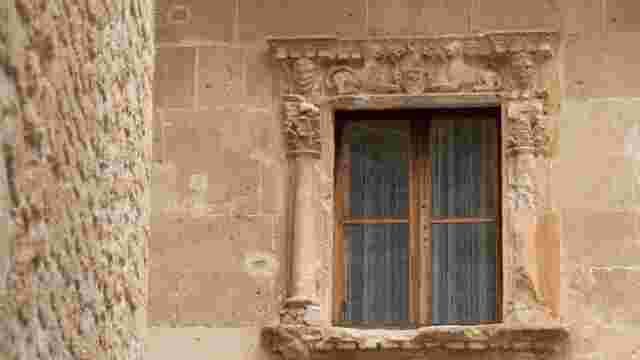
Casa Can Castell
Noble manor house of Gothic origin, redesigned in the 16th and 17th centuries with Renaissance influences.
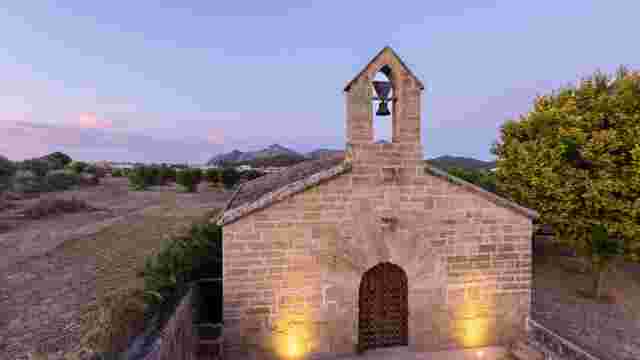
Santa Anna
One of the few temples from the first Catalan resettlement in the 13th century, located just a short distance from the Pol·lèntia archaeological site.

Alcúdia Office

Oficina de Port d'Alcúdia

Oficina de Ciutat Blanca