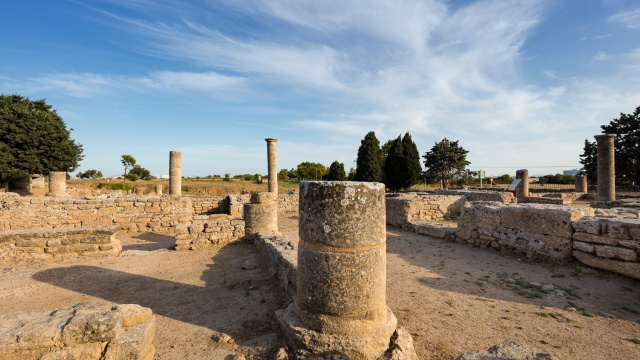
Ciutat romana de Pol·lèntia (zona arqueològica)
Discoveries from the 16th century sparked archaeological research in Pol·lèntia, which continues from early 20th-century excavations to the present.
The first documented references to Pol·lèntia date back to the 16th century, following accidental discoveries such as the bust of Velated Augustus, which marked the beginning of archaeological studies that continue today. The first systematic excavations began in the 1920s under Professor Gabriel Llabrés Quintana and Rafel Issassi. In 1936, the Civil War halted progress, but research later resumed with renowned archaeologists such as Almagro, Tarradell, Arribas and Wood. From the 1950s onward, the Hispanic-American Archaeological Centre, funded by the William Bryant Foundation, continued the work until the late decade, after which responsibility passed to the Municipality of Pol·lèntia.
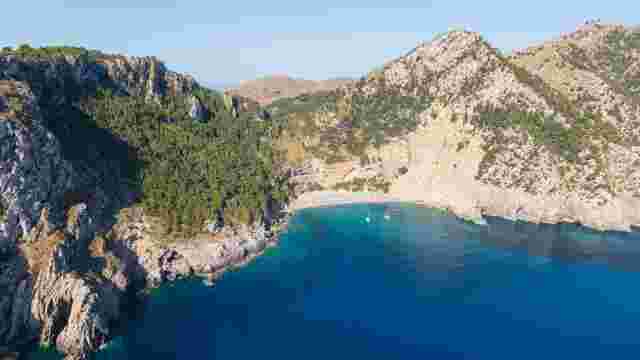
El Coll Baix
Route toward Coll Baix with views, nature and a final ascent through pine forest. Ideal for hiking and enjoying Alcúdia’s scenery.
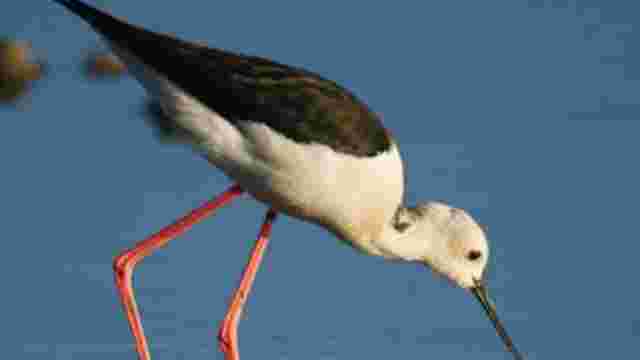
S’Albufera Natural Park
6 km from Alcúdia, you can visit Mallorca’s largest and best-known wetland.
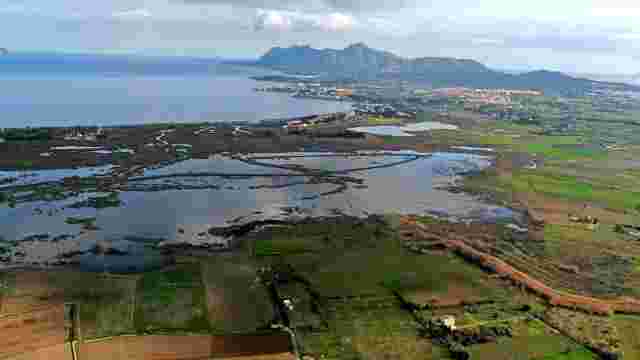
s’Albufereta Nature Reserve
S’Albufereta, a Natural Reserve, is a brackish coastal wetland with tamarisk woods, channels and dunes, farmland surroundings and remarkable bird diversity.
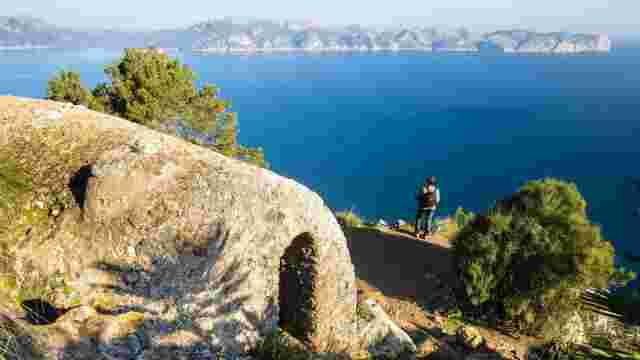
Penya des Migdia
Iconic hike from Ermita de la Victòria to a 354 m summit overlooking Pollença and Formentor. Final stretch exposed.
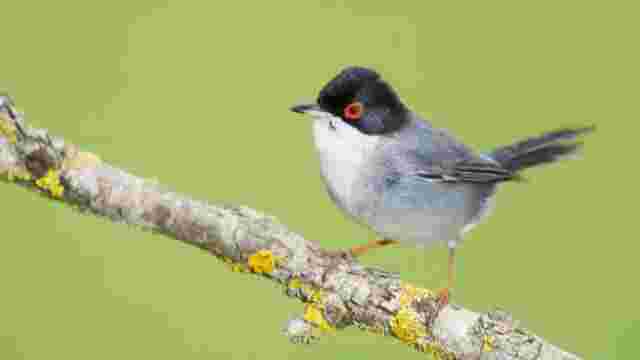
La Victòria Watchtower
Alcúdia’s 445 m summit offers spectacular views over both bays and the northern coast, rising through pinewoods, carritx grasslands and rocky slopes.
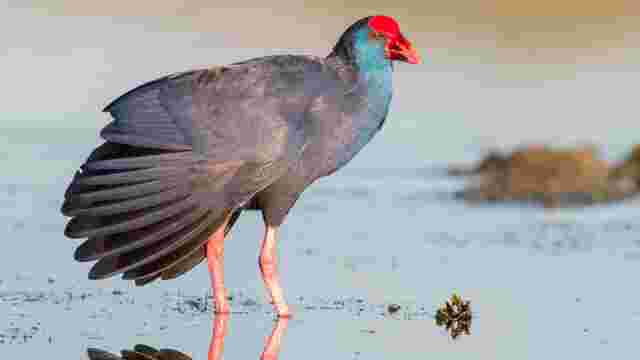
Maristany
Small wetland with remarkable bird diversity, ideal for observing aquatic species in an accessible and natural environment.

Puig de Sant Martí Mountain
Despite its modest height (258 metres), Puig de Sant Martí is a superb vantage point.
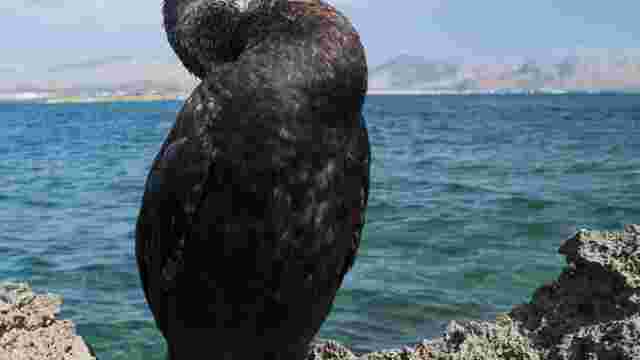
Son Real
Son Real features a well-preserved rocky coastline with pinewoods and garrigue, plus a rural estate and an interpretation center worth visiting.
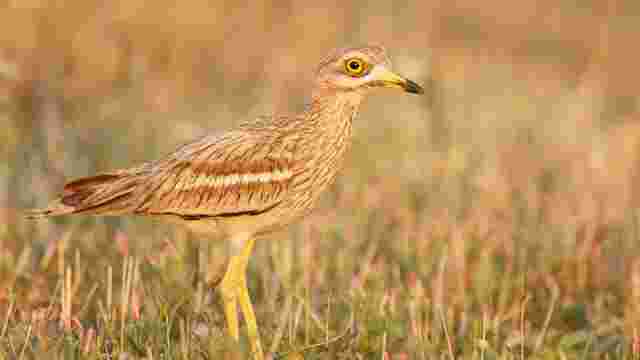
Formentor Peninsula
Formentor blends cliffs, coves and pine forests with remarkable birdlife, making it one of Mallorca’s most iconic landscapes.
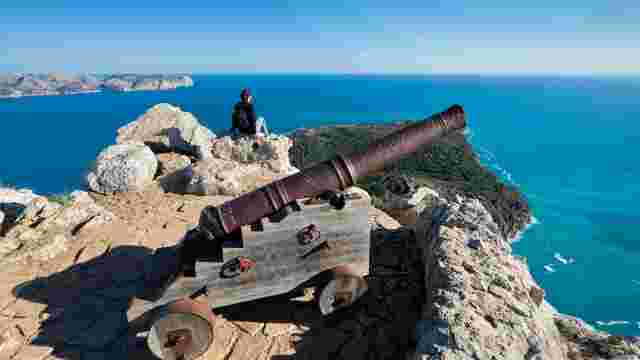
Ermita de la Victòria Route
Route to La Victòria hermitage with coastal views and a final climb to Penya del Migdia. Nature, history and stunning panoramic scenery.
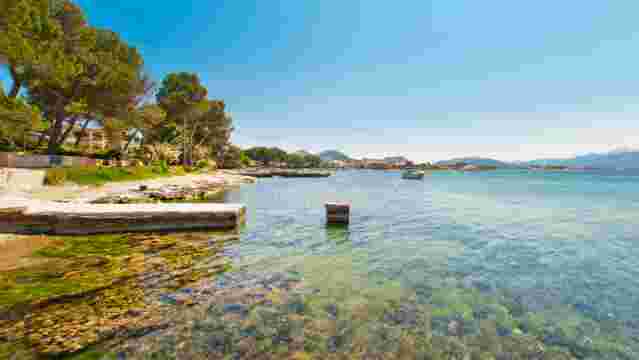
North Coast
Cycling route along Alcúdia’s north coast with coves, sea views and coastal paths. Nature, landscape and heritage by the Mediterranean.

Path to Hort dels Moros
Scenic route through woodland and rural paths up to a viewpoint overlooking Port d’Alcúdia. Nature, peace and Mallorca’s landscape.
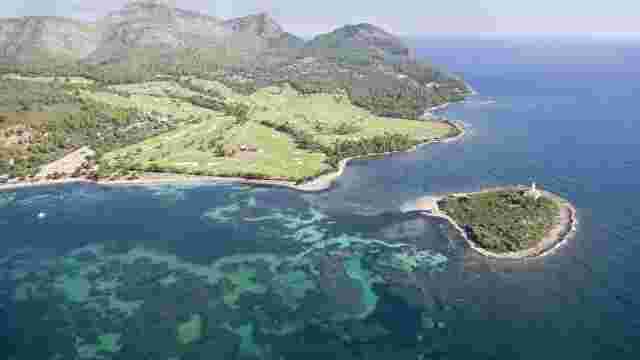
Camí d’Alcanada
Walk to Alcanada Beach with views of the small island, pine forest and peaceful coast. Ideal for enjoying nature and coastal scenery.

Alcanada Coast
The route follows the Alcanada coastline, with its islet and lighthouse, on an easy, almost flat walk that passes near small beaches perfect for cooling off.
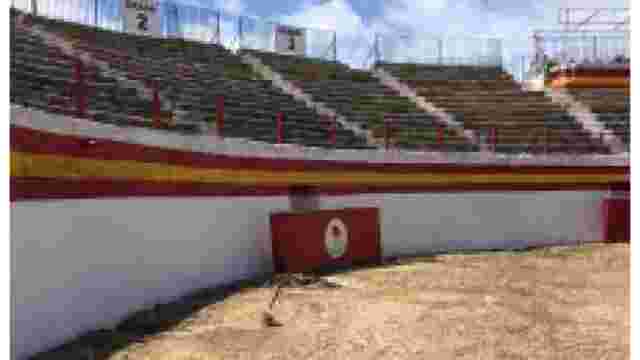
Bullring
Arena built in 1892 beside Alcudia’s walls, offering large capacity, event services, parking and full branding possibilities.
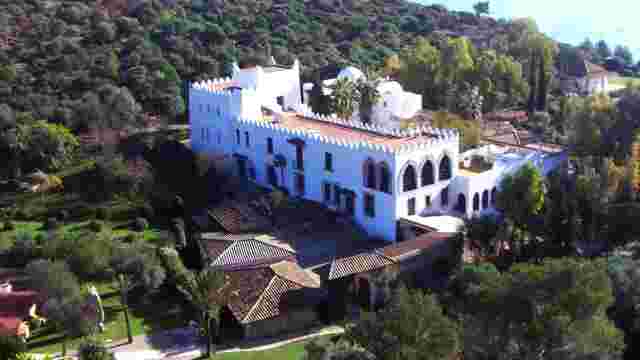
Museu Sa Bassa Blanca
A unique museum where art, nature and architecture coexist, featuring exceptional collections, sculpture gardens and the Hassan Fathy House.
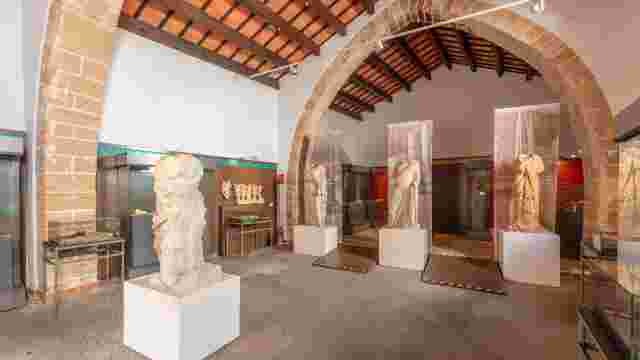
Museu Monogràfic de Pol·lèntia
Museum in a former 16th-century hospital showcasing finds from Pol·lèntia: ceramics, glass, jewellery, marble sculptures and Roman necropolis exhibits.
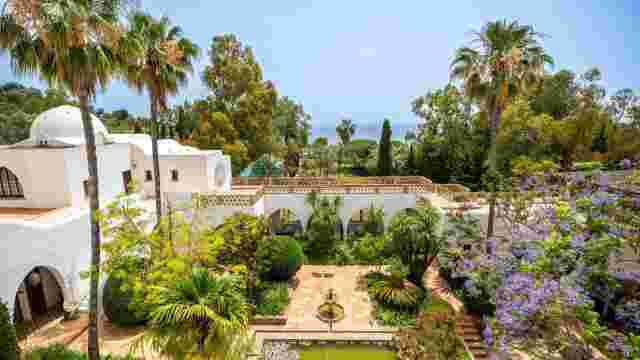
Sa Bassa Blanca
Unique event spaces at Sa Bassa Blanca offering flexible capacity for meetings, receptions and business gatherings.
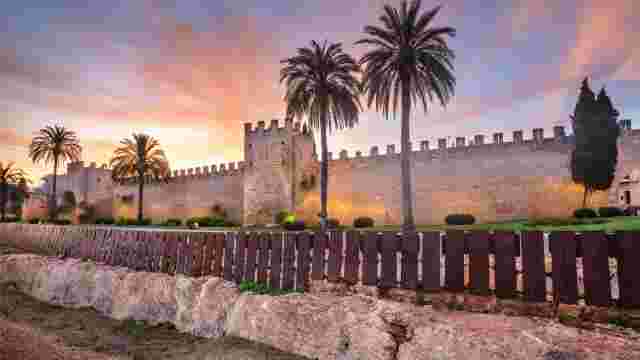
The medieval city wall
La muralla medieval d’Alcúdia, construïda al segle XIV amb torres i 1,5 km de perímetre, protegía la ciutat dels atacs pirates.
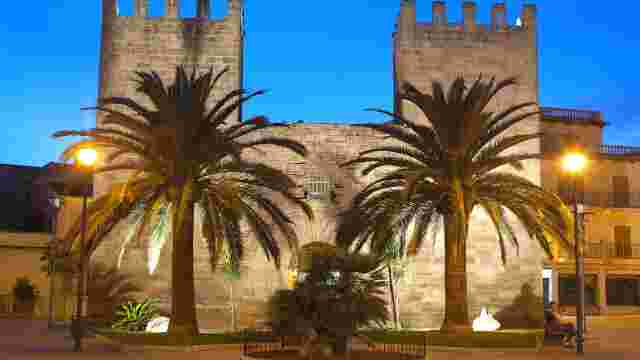
Bastions from the 16th century
16th-century bastions built for artillery. Two remain: Vila Roja and Xara, located near the old fortified gate.
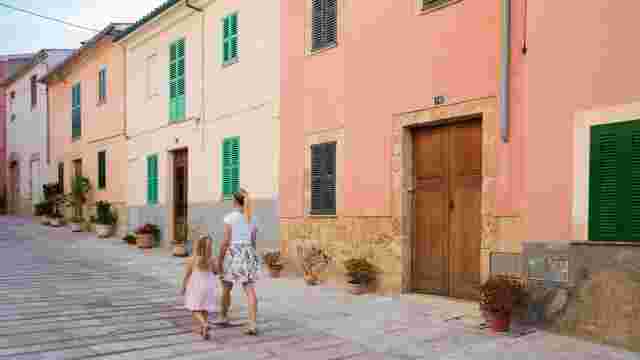
Renaissance “Casals” of Alcúdia
Renaissance manor houses in Alcúdia’s historic center, preserved from the 16th–17th centuries, including Can Castell, Can Fondo and Can Domènec.
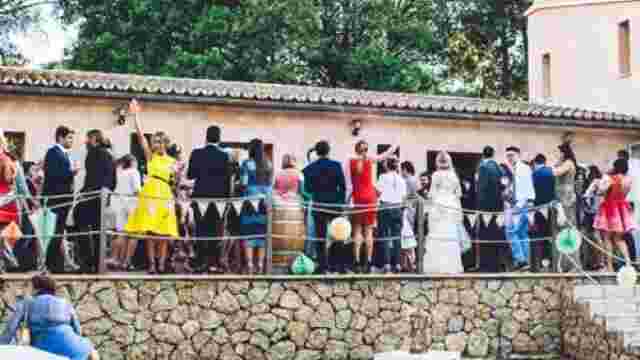
Son Simó Vell
Agrotourism estate with winery, offering an authentic Mallorcan setting and ideal spaces for private and special events.
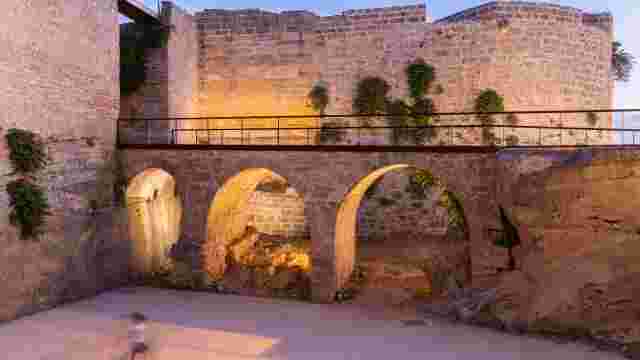
Vila Roja Bridge
14th-century medieval wall with 26 towers and a 1.5 km perimeter, featuring an event area at Pont de la Vila Roja.
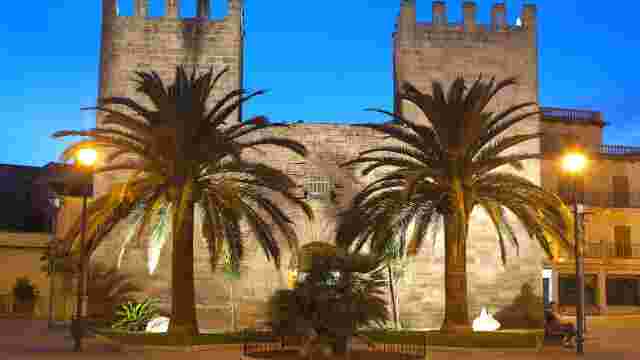
Walled city gates
The ancient gates of Alcúdia’s city walls — Moll, Mallorca and the now-lost Vila Roja — preserve unique medieval bridges, towers and remains.
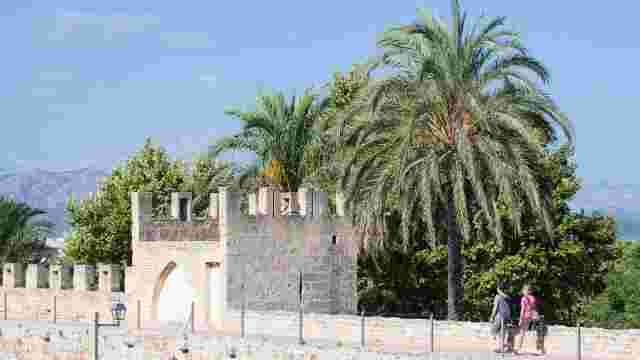
The Renaissance wall
Remains of the 17th-century fortification adapted for artillery. Sant Ferran bastion and preserved watch post stand out.
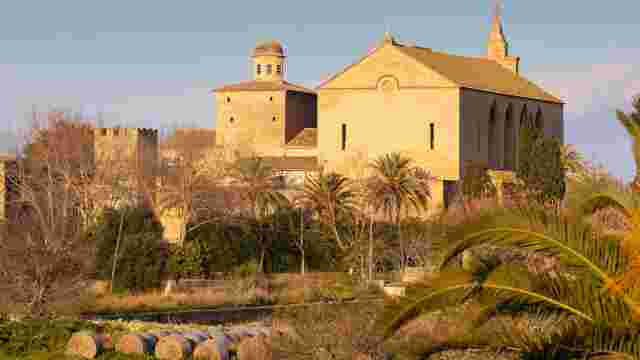
The Church of Sant Jaume
19th-century Neo-Gothic church built on the former medieval temple, featuring a single nave, rose window, sculptures of Saint James and an interesting parish...
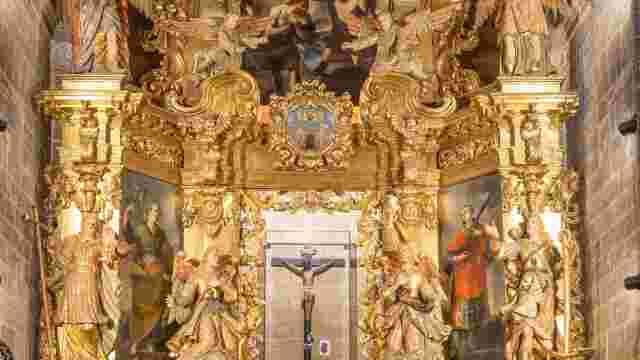
The Chapel of Sant Crist
17th-century Baroque chapel housing a 15th-century Christ sculpture linked to reported miracles and accessible from inside the parish church.
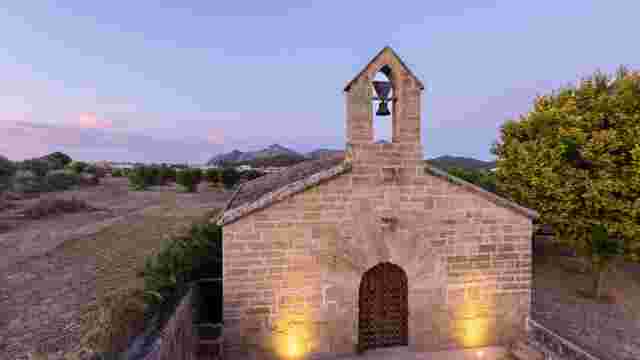
Santa Anna
One of the few temples from the first Catalan resettlement in the 13th century, located just a short distance from the Pol·lèntia archaeological site.
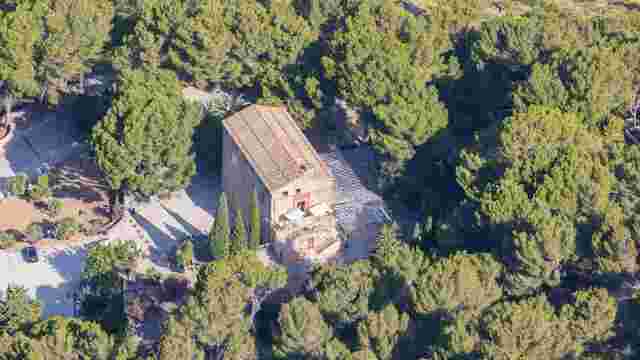
La Victòria Hermitage
17th-century baroque hermitage in a protected natural setting with sea views, ideal for outdoor events at the Alcudia viewpoint.
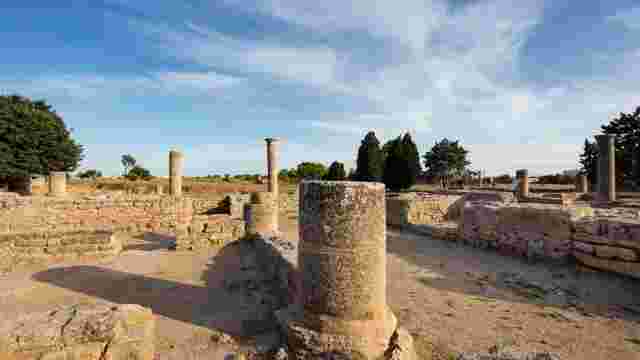
Ciutat romana de Pol·lèntia (zona arqueològica)
Discoveries from the 16th century sparked archaeological research in Pol·lèntia, which continues from early 20th-century excavations to the present.
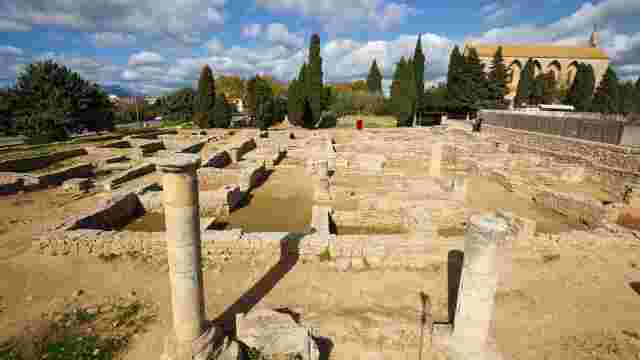
Zona arqueològica
History and excavations of Pol·lèntia from the 16th century to today, with key discoveries and major international archaeological research.
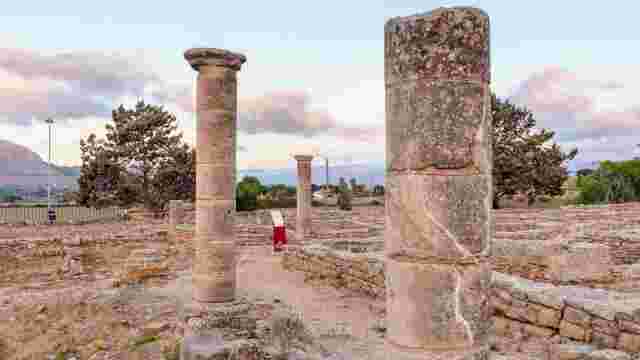
La Portella
Area near the historic centre with Roman houses, workshops, street layout and a preserved section of 3rd-century Roman wall.
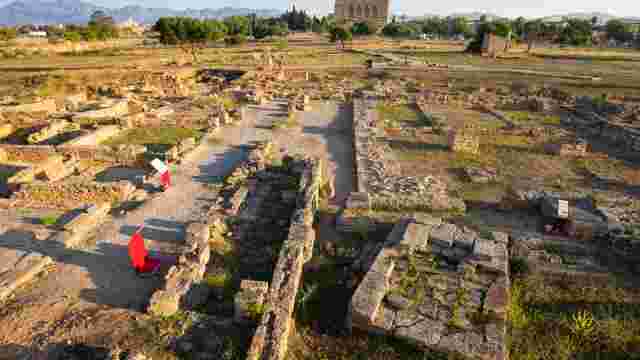
El Fòrum
Roman forum with temple remains, tabernae, an aedicula and a late necropolis. A social and religious centre where excavations continue.
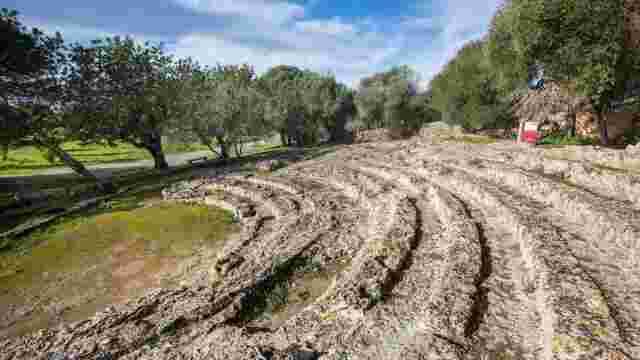
El Teatre Romà
Roman theatre from the 1st century AD carved into the rock, later reused as a necropolis, with preserved cavea, orchestra and stage remains.
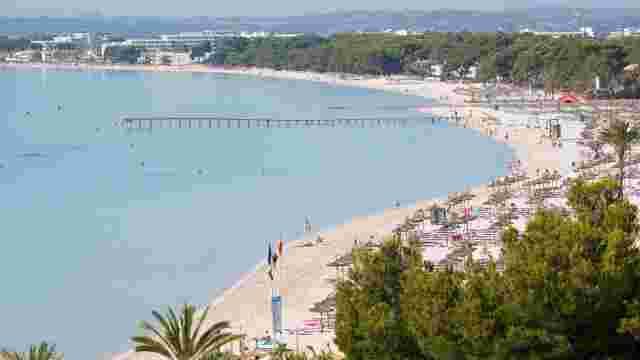
Alcudia Beach
Over 7 km of white sand and calm waters. Family-friendly, with activities and services, plus a wilder area beyond Ciudad Blanca.
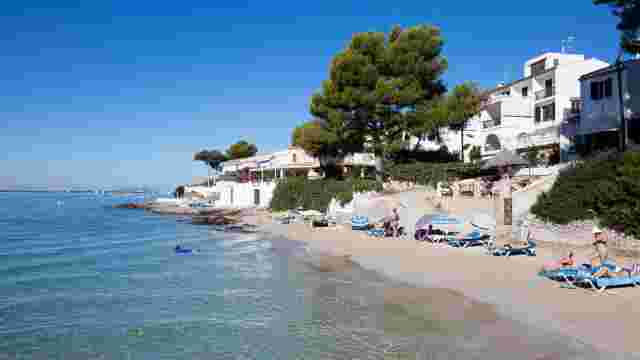
Cala Poncet
Peaceful cove with clear waters, posidonia, sand and rock.
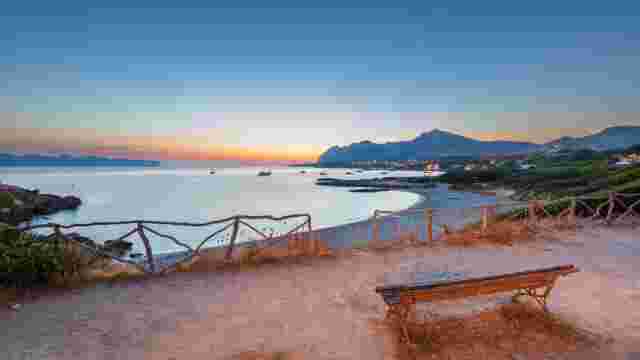
The beach of Sant Joan
Ein ruhiger Strand mit weißem Sand und Blick auf die Bucht von Pollença. Natur, Ruhe und ideales Wasser zum Entspannen.
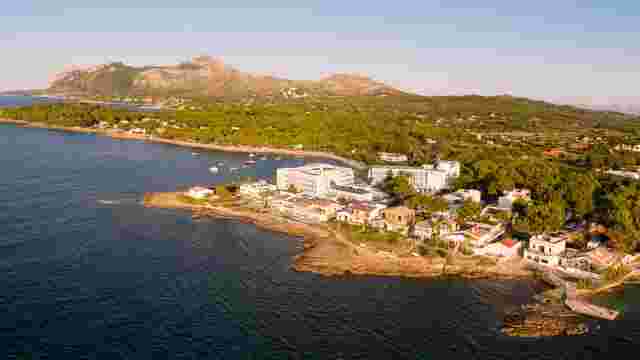
El Morer Vermell
Coastal area with traditional charm, quiet spots and watersports like sailing, windsurfing and kitesurfing in a unique landscape.
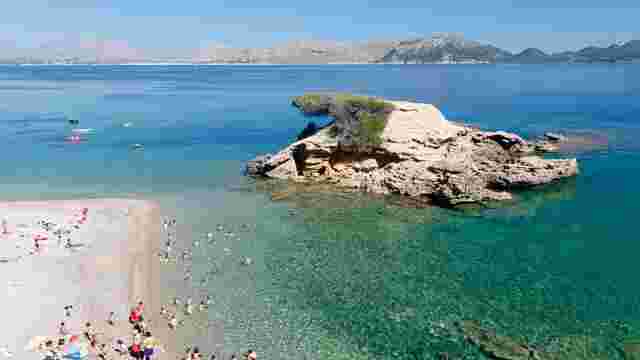
S'Illot
On the Victoria Peninsula, sea and mountains meet. Small coves lead to S’Illot, a charming and natural spot to enjoy.
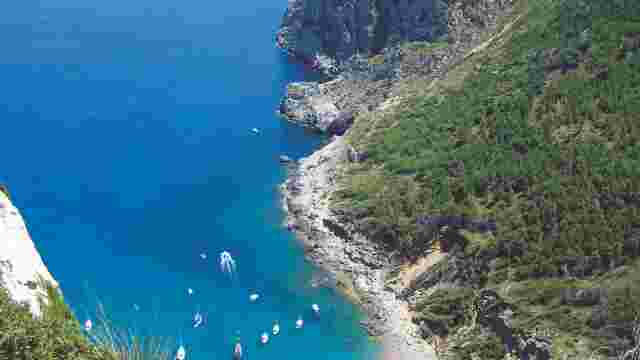
Es Coll Baix
A paradise with green-blue waters, pebble beach and rich marine life. Perfect for diving or kayaking.
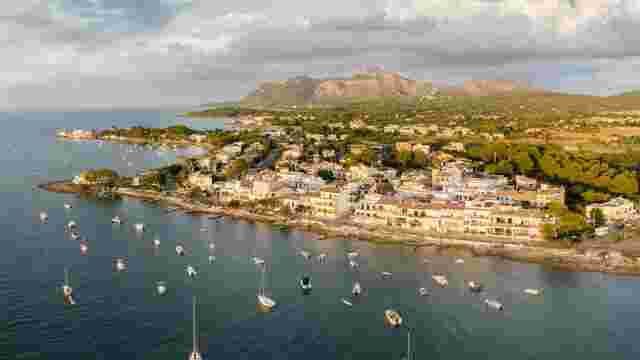
Barcarès Beach
Small, charming cove surrounded by Mediterranean vegetation and crystal-clear waters. Ideal for swimming, relaxing in the sun and exploring marine life.
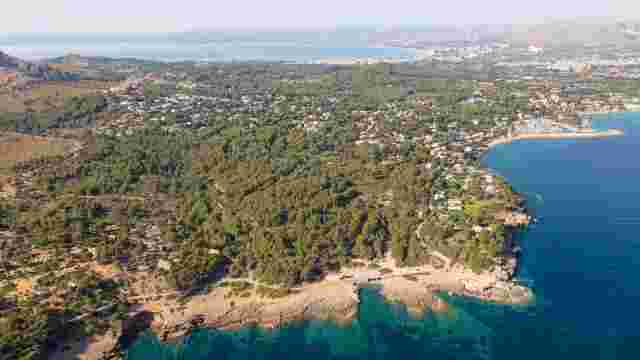
Bonaire Beach
Small, charming cove surrounded by Mediterranean vegetation and crystal-clear waters. Ideal for swimming, relaxing in the sun and exploring marine life.
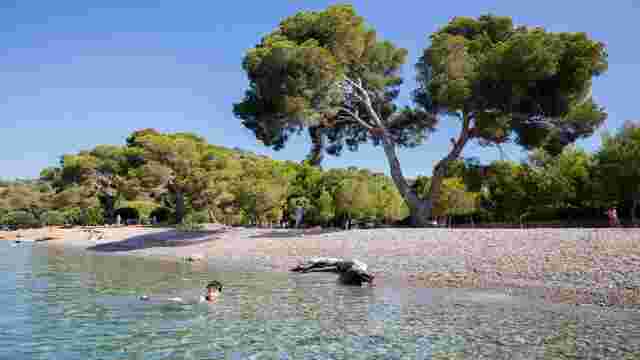
Alcanada Beach
Quiet gravel beach surrounded by pines, with views of the islet and lighthouse. Shallow, calm waters ideal for relaxed swimming, light snorkelling and coastal w
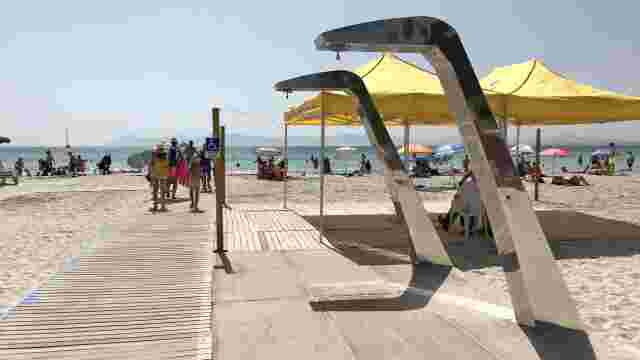
Accessible Beach
Adapted bathing area with Universal Accessibility Certification. Independent services for visitors with reduced mobility near the lifeguard station.
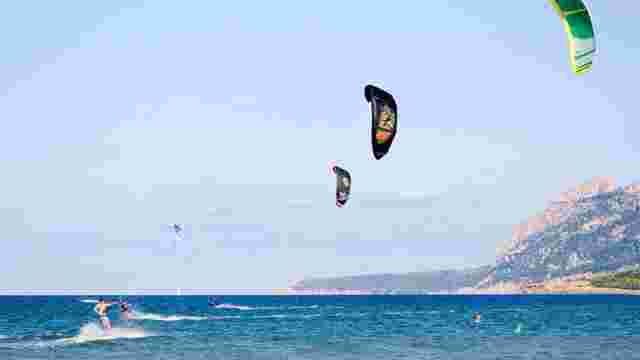
Sa Marina Beach
Quiet, semi-urban dark-sand beach between Alcúdia and Port de Pollença. Moderate waves and a natural, peaceful atmosphere without major tourist facilities.
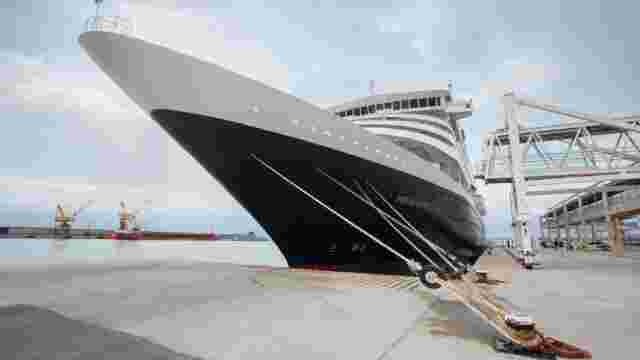
Maritime Station
Main port in northern Mallorca, with routes to Barcelona, Ciutadella, Toulon and Sète. A key hub combining passenger transport, commerce and nautical leisure.
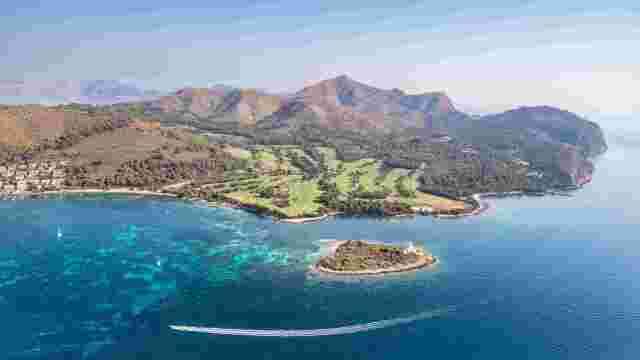
Alcanada Lighthouse
Historic 1861 lighthouse on the islet of Alcanada. Automated since 1960, now powered by solar energy and emitting evenly spaced white flashes.
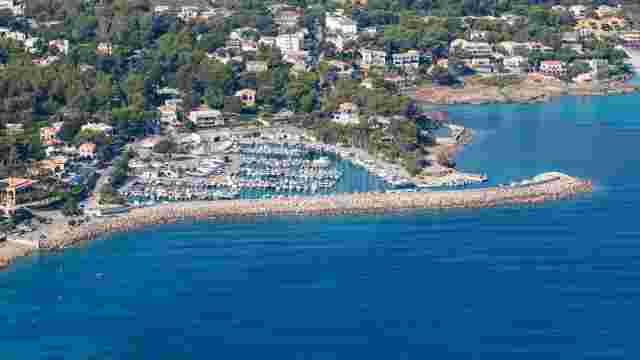
Cocodrilo Harbour
Quiet, exclusive marina in Bonaire with over 300 berths and full nautical services. Set in a pine-lined residential area, with access via VHF Channel 9.
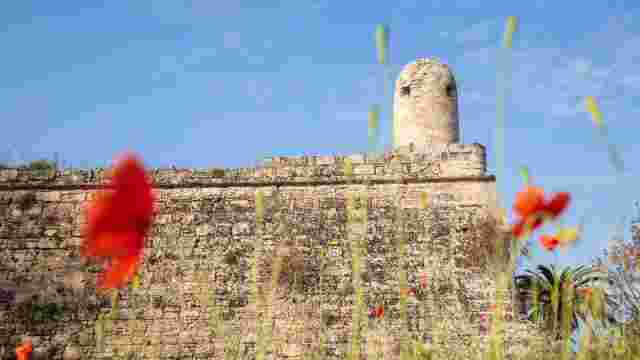
Xara Bastion
16th-century bastion built to defend Alcúdia. One of the few remaining, located next to the historic Porta de Xara.
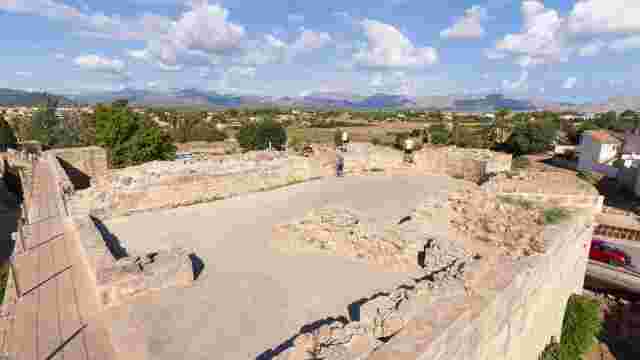
Vila Roja Gate
Medieval gate with a 17th-century stone bridge and remains of the old drawbridge. The restored vall is now a space for open-air events and performances.
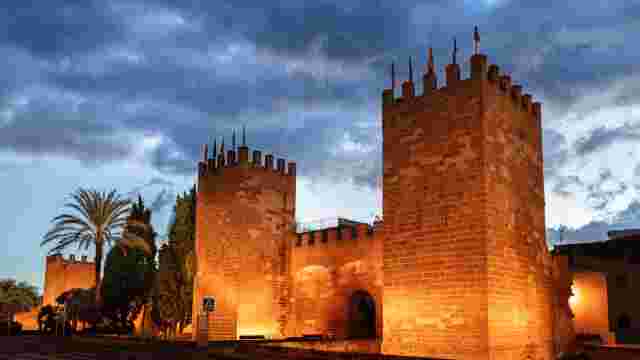
Sant Sebastià Gate
Medieval gate linking Alcúdia with the royal road to Palma. It preserves the moat, the 1963 restored towers and a 16th-century city coat of arms.
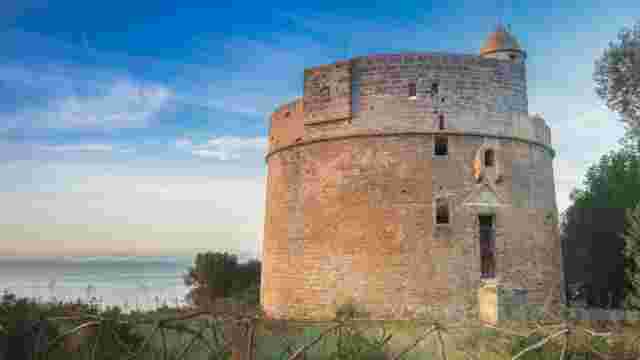
Torre Major
16th-century defensive tower in Alcanada, featuring a 1602 royal coat of arms and Renaissance details. A protected heritage site in good condition.
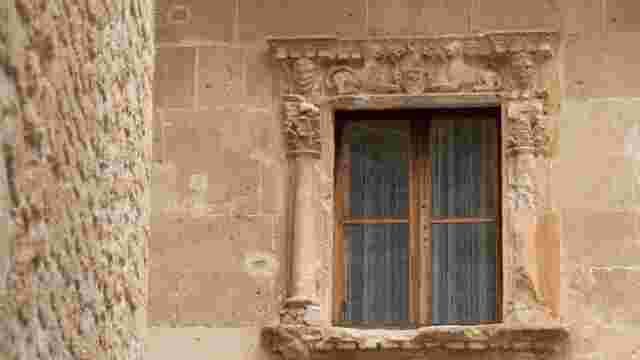
Casa Can Castell
Noble manor house of Gothic origin, redesigned in the 16th and 17th centuries with Renaissance influences.
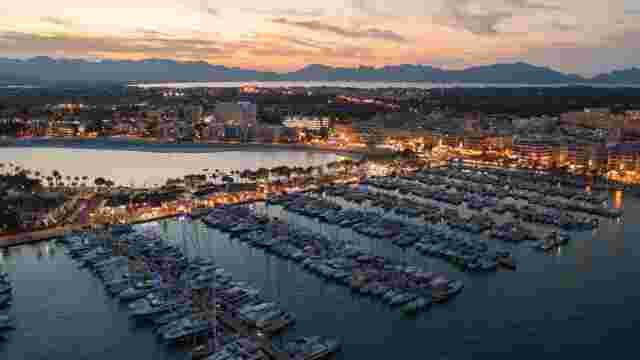
Alcudiamar
Modern marina by the sea with services, dining and activities. A perfect place for families to enjoy and create unforgettable memories.
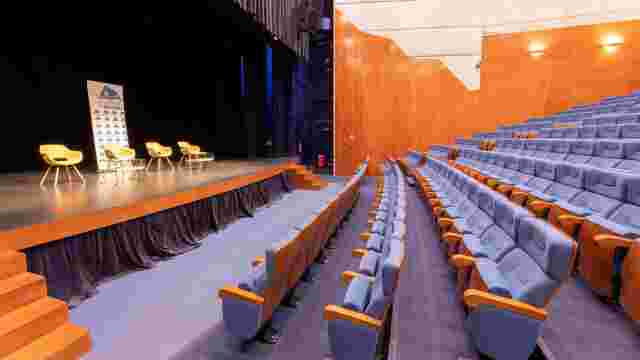
Alcúdia Auditorium
Modern auditorium with 477-seat capacity, designed for theatre, music, conferences and cultural events, offering multiple rooms and full technical services.
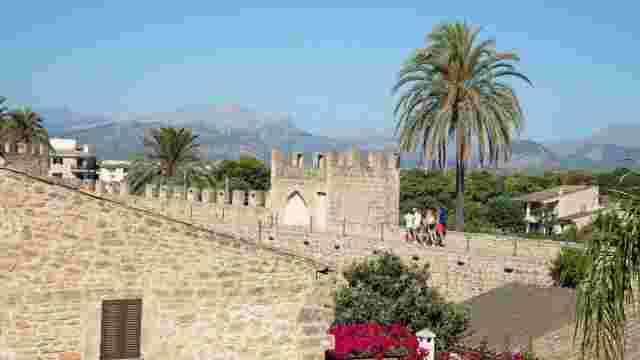
16th-Century Bastions
16th-century defensive bastions built to house artillery. Two remain today: the Vila Roja bastion and the nearby Xara bastion.
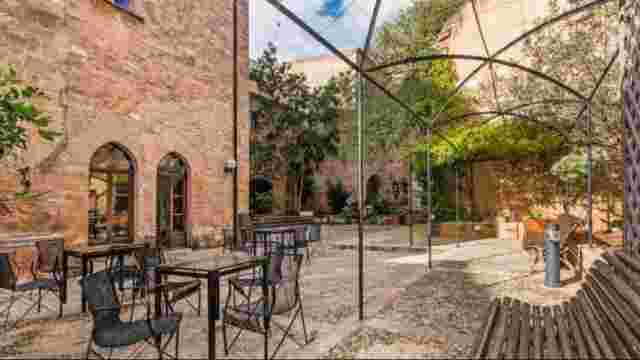
Can Torró Library
Historic manor house restored and linked to Can Fondo, now a cultural venue with versatile spaces and flexible capacity for events.
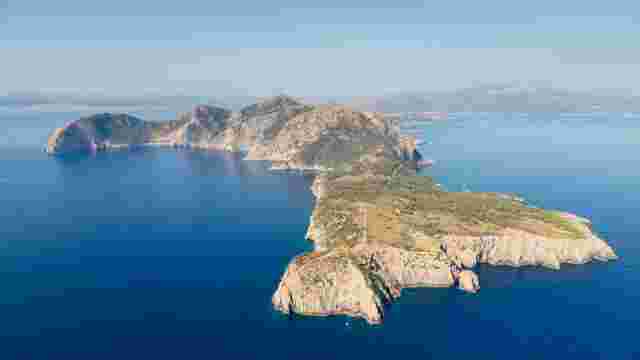
Cape Pinar
Peninsula between the bays of Alcúdia and Pollença, with cliffs and Ses Caletes. Limited access; ideal for kayaking and coastal hiking.
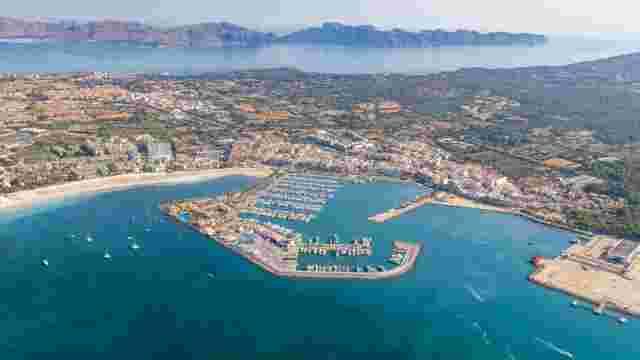
Port of Alcúdia
One of northern Mallorca’s main ports, with a 7 km beach, lively seafront promenade and a wide range of water sports and tourist services.
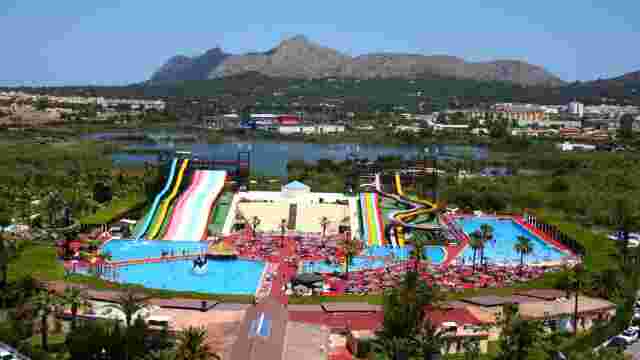
Hidropark
The only water park in the north of Mallorca with attractions and fun for all ages. Free parking and Wi-Fi for guests.
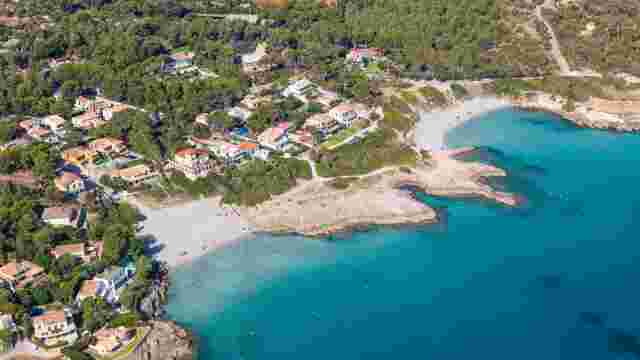
Sant Pere Beach
Welcoming white-sand beach with views of the Bay of Pollença. Calm waters or gentle waves depending on the wind, perfect for relaxing and enjoying the scenery.
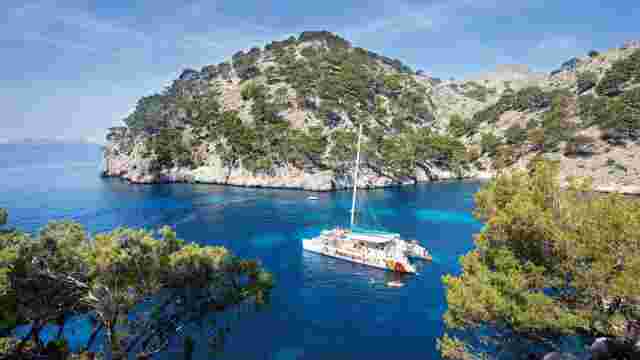
Alcudia Seatrips
Host events and excursions on Alcúdia’s north coast. Fleet of 6 vessels and 6 routes: sail catamaran, Formentor, beaches, coves, caves and dolphin route.
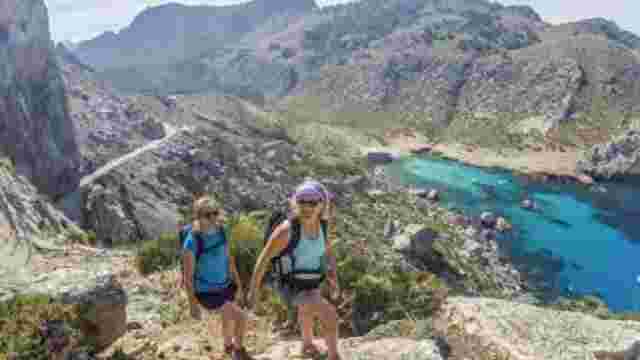
Active Alcudia
Small-group outdoor activities in Alcúdia: hiking routes, coasteering and snorkeling with expert local guides. Equipment provided.
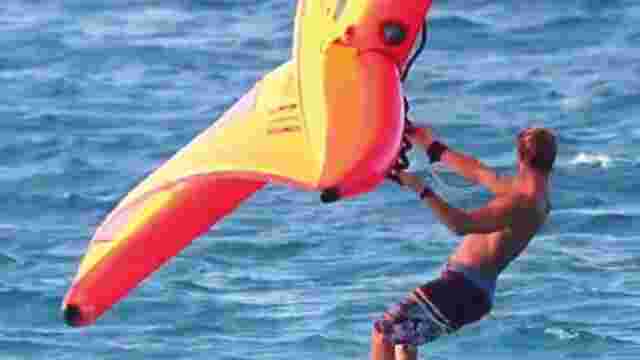
Olli Kite Mallorca
Kitesurf and wing surf courses in small groups: basic, advanced, foil, private lessons and equipment rental. Includes self-rescue training.
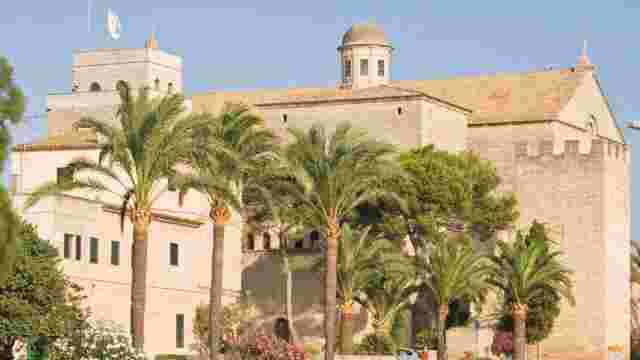
Gabriel Garcíes
Guided historical tour of Alcúdia. Discover its prehistoric, Roman, Arab and medieval heritage. Groups 1–25 people. Duration 1 hour.
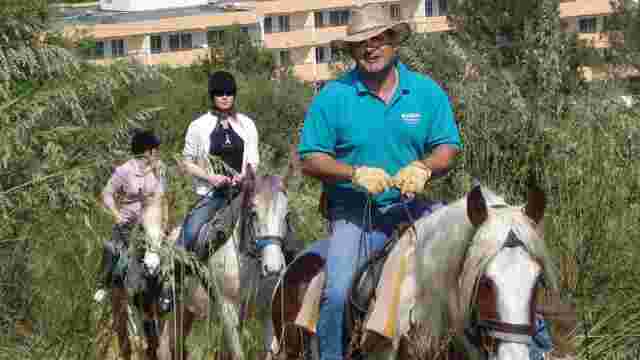
Ranxo Ses Roques
Horseback riding in Alcúdia on Puig de Sant Martí. 1–2 hour routes with qualified guides. Pick-up service, helmet and insurance included.
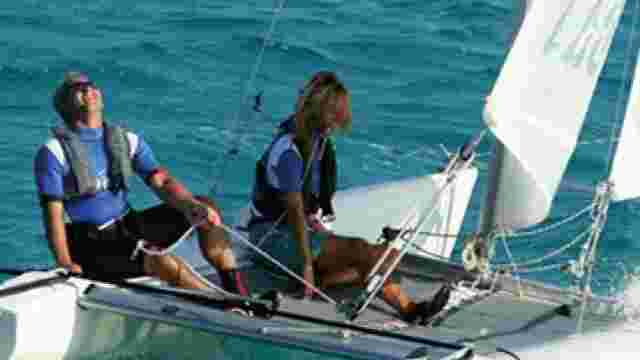
Wind & Friends
Sailing, windsurf, SUP, kayak and wingfoil lessons and rentals in Alcúdia. VDWS certification, catamaran courses and windsurf beginner training.
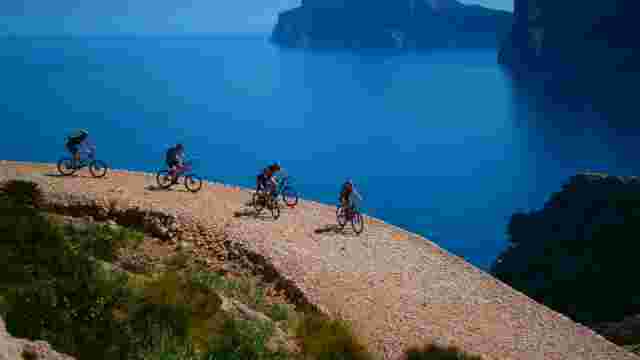
Vamos24 Sport & Adventure Travel
Bike station in Alcúdia with rentals, MTB guides and 17 routes for all levels. Hiking and corporate incentives available.
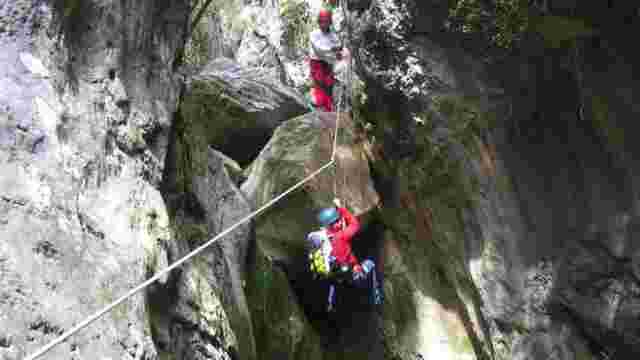
Masio Tours Mallorca
Nature and adventure experiences in Northern Mallorca: trekking, canyoning, kayak, caves, snorkelling, family tours and team building.
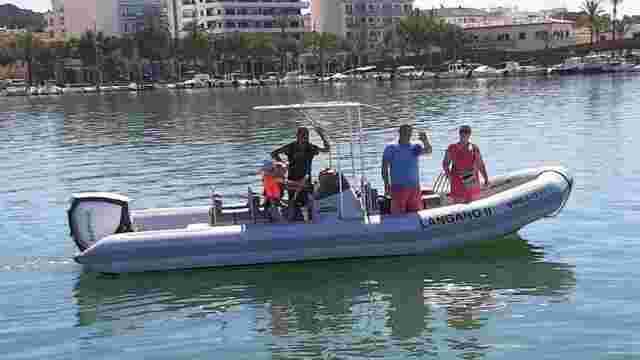
Stellar Boats
Baby Bay Tour: family-friendly bay excursions with shallow-water swimming, snorkelling, drinks, snacks and captain. Perfect for children.
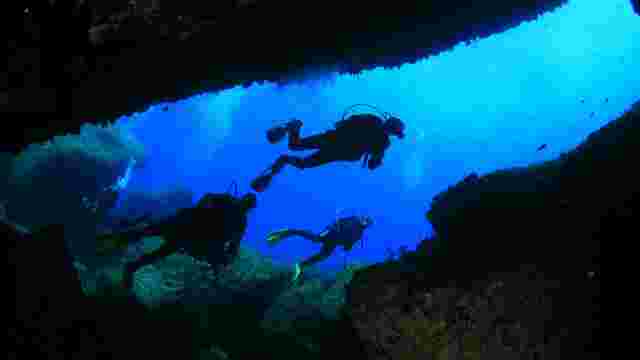
Skualo
Snorkelling, diving and SSI courses with Skualo in Bon-Aire. Pollensa Bay excursions for families, friends and certified divers.
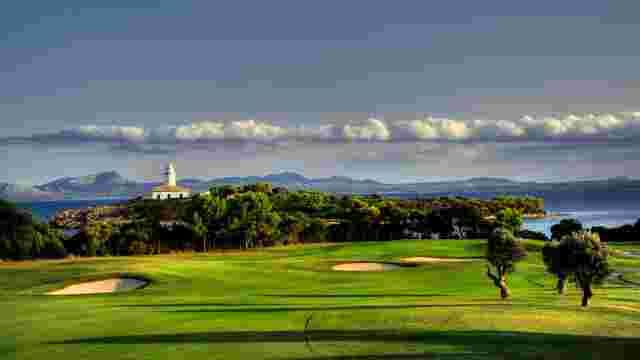
Alcanada Golf Club
Mallorca’s only seafront 18-hole golf course, offering stunning views, Mediterranean dining and full support for private and corporate events.
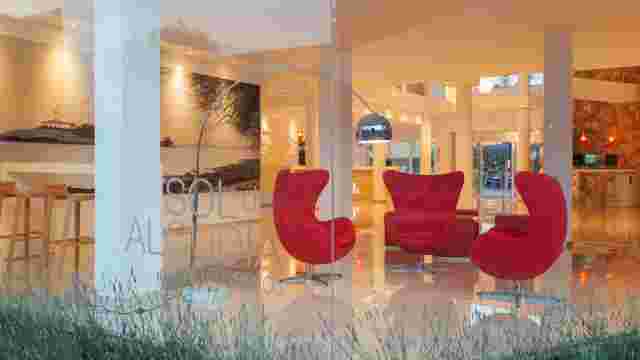
A10 Sol De Alcudia
Enjoy a luminous, relaxed stay with a kids' pool, beach walks, and a Gin Corner Experience for adults, perfect for a refreshing holiday.
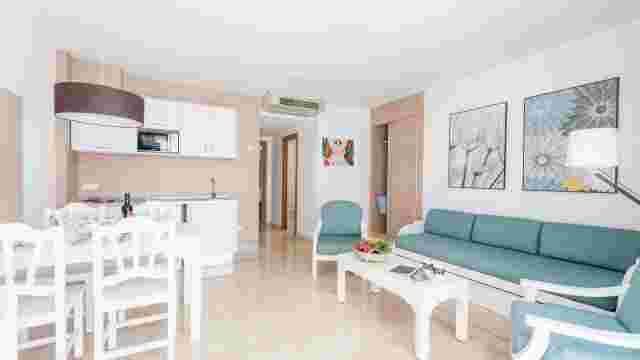
A10 Solecito
Enjoy a cozy stay with a spacious garden, pool, and family-friendly atmosphere, just meters from a waterpark, making it an ideal summer retreat.
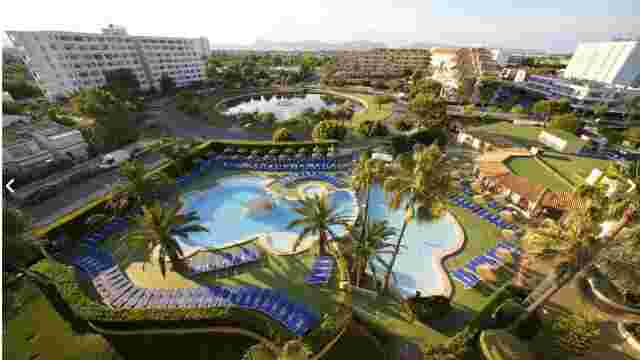
Alcudia Beach
Experience ultimate relaxation and comfort with spacious accommodations and excellent service, perfect for a tranquil holiday in a beautiful coastal setting.

Alcudia Garden
A family-friendly resort with refurbished apartments, free Wi-Fi, diverse dining, wellness area, and entertainment, ideal for sports enthusiasts in Majorca.
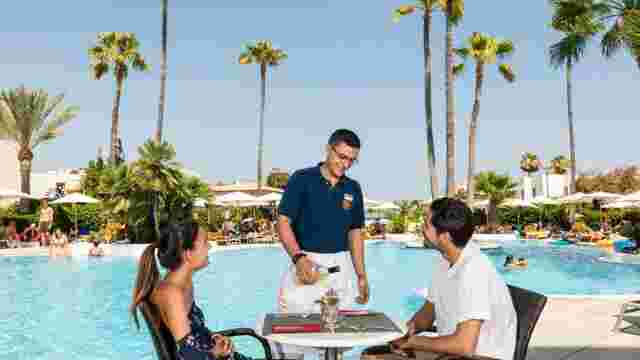
Allsun Eden Alcudia
Beachfront location with a large pool, sea-view chill-out bar, luxurious apartments, and diverse fitness, wellness, and sports facilities.
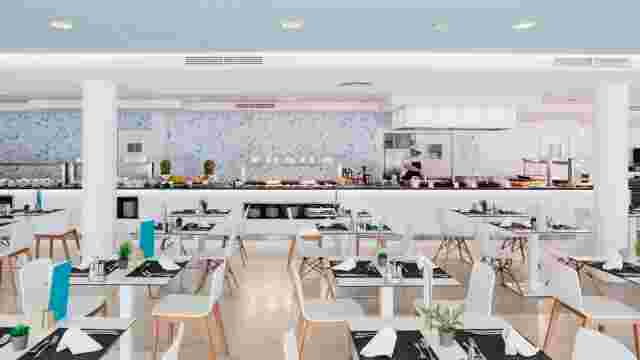
Bordoy Alcudia Bay
Enjoy a relaxing adult-only getaway with gourmet dining, Balinese beds, a gym, and a vibrant pool club atmosphere.
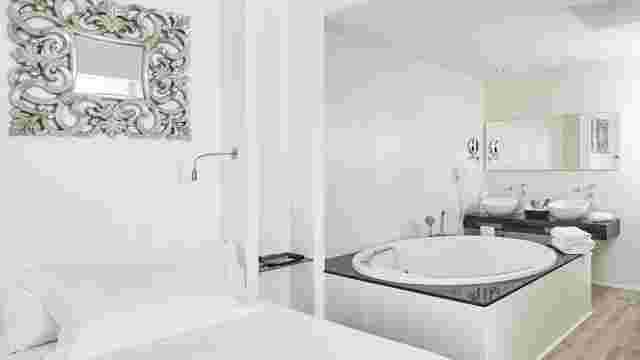
Astoria Playa
An adults-only oasis with designer suites, two pools, gourmet dining, and nearby golf, perfect for relaxation and outdoor activities like cycling and hiking.
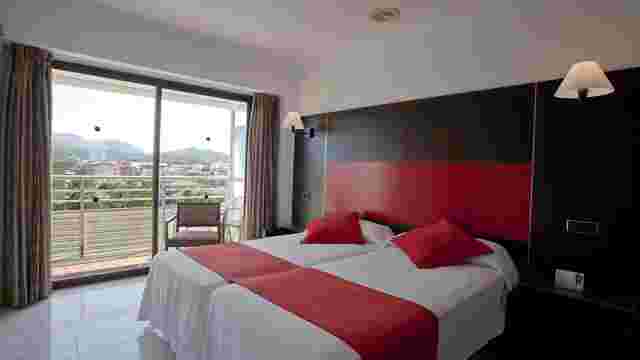
Bahia De Alcudia
A charming destination offering personalized 24/7 service, relaxation spots, and entertainment options, ensuring a homely and enjoyable stay for visitors.
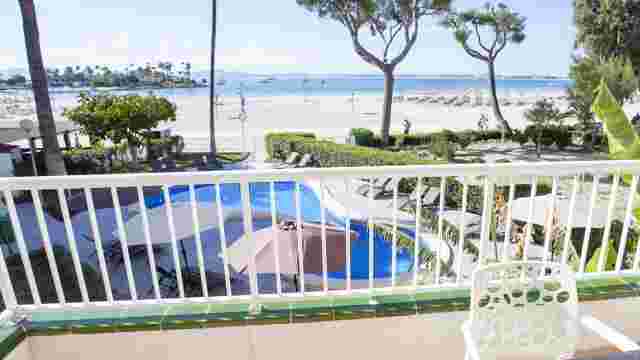
Sand Beach Apartments
Located in a prime holiday spot, this area offers diverse activities, services, and a port with trips to Menorca for an unforgettable vacation.
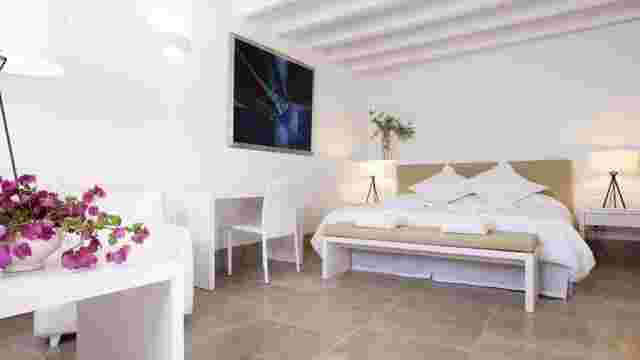
Son Simo Vell Agroturisme
Experience Mediterranean charm in a serene, traditional setting with minimalist interiors, surrounded by nature and featuring a vineyard producing "Pecat" wine.
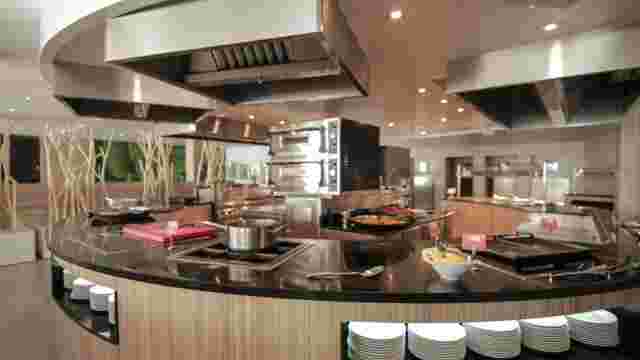
Bq Delfín Azul
A renovated hotel near a stunning beach offers spacious gardens, a terrace, a large pool, and playgrounds, with nearby shops, bars, and restaurants.
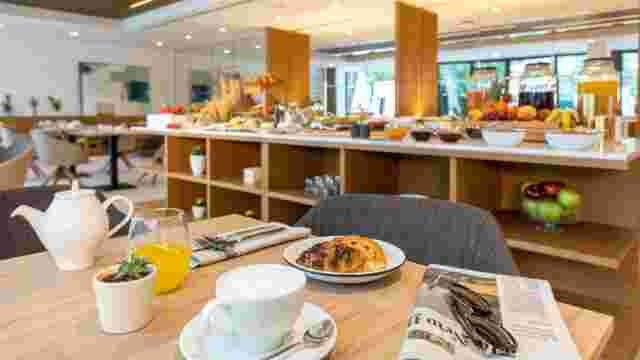
Bordoy Alcudia Port Suites
Experience Mediterranean luxury with privacy, comfort, and gastronomy just meters from the beach, offering relaxation and fun in a discreet, memorable setting.
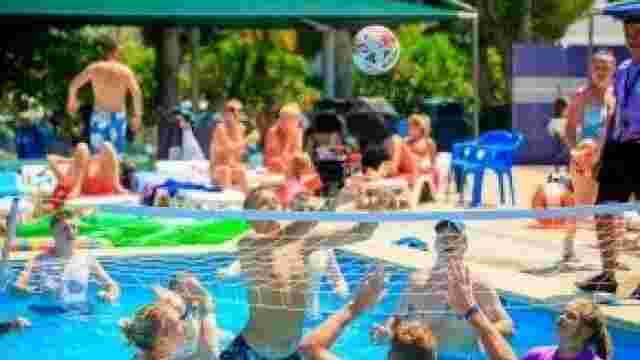
Club Mac Alcudia
A family-friendly resort with lakes for water activities, kids club, daily shows, sports facilities, mini golf, and evening market stalls.
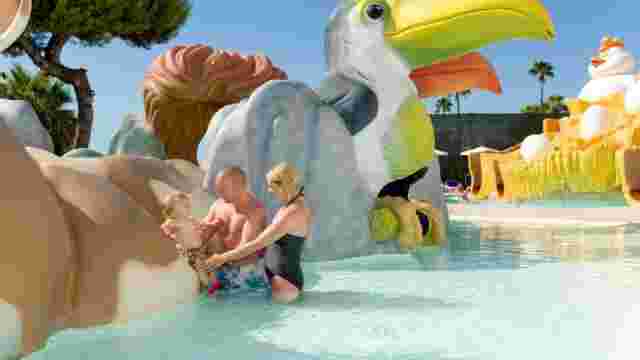
Condesa
A 4-star all-inclusive family hotel by the beach offers exclusive services, spacious facilities, and attentive staff for a perfect holiday experience.
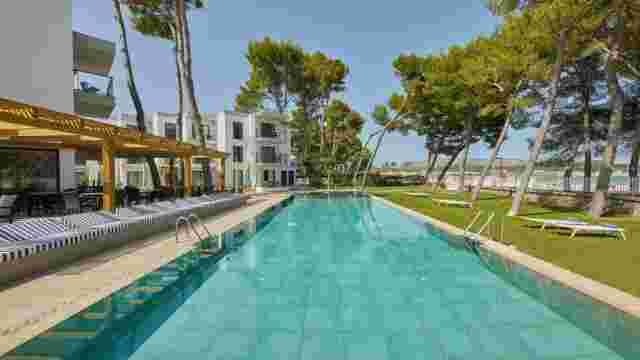
Sofia Alcudia Beach
Beachfront location with a spa, pool, and gardens. Enjoy Mediterranean light, show cooking, and cocktails by the pool. Ideal for couples and families.
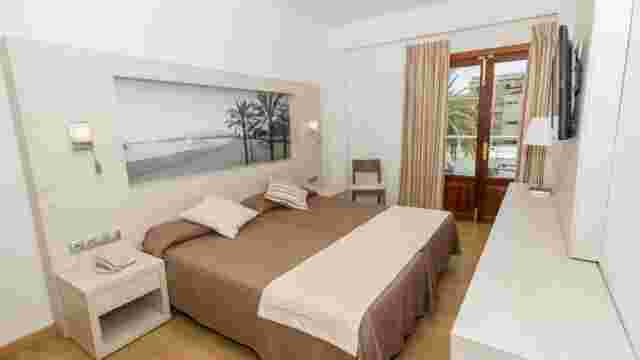
Eix Alcudia
Located near a stunning beach and vibrant promenade, this hotel offers a Majorcan-style stay with renovated rooms and easy access to dining and shopping.
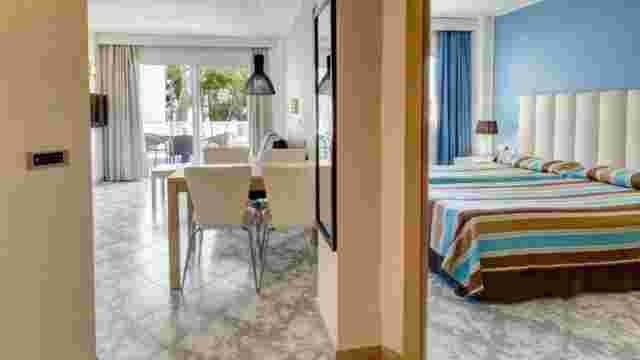
Caprice Playa De Alcudia
Beachfront location with fine sand and numerous activities, ideal for couples and families seeking a perfect holiday experience.

Caprice Tamarindos
Renovated studios and penthouses with a pool, bar, terrace, and bike hire, perfect for couples seeking a short getaway in northern Majorca.
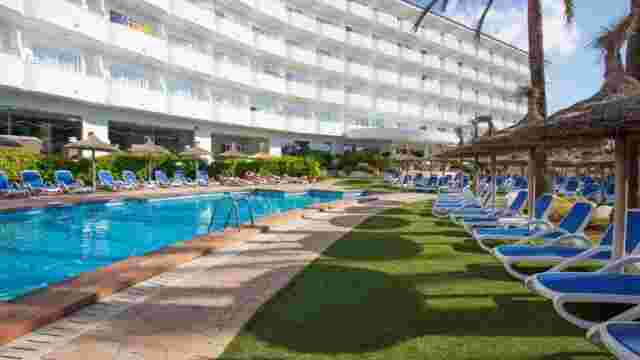
Grupotel Maritimo
This location offers outdoor and indoor pools, entertainment shows, live music, and a meeting room, ideal for family and friends.
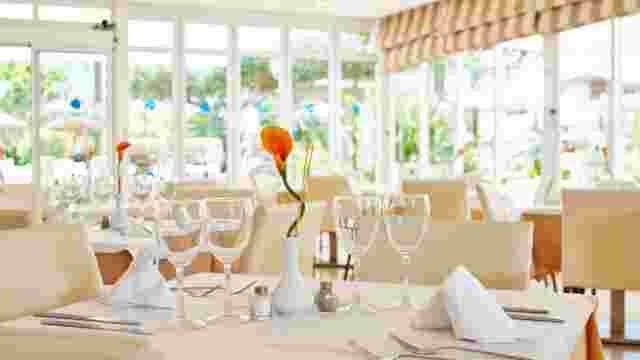
Grupotel Port D'alcudia
Located 300m from the beach, this hotel offers modern facilities, a pool, and activities for kids. Nearby, enjoy diverse cuisine, nightlife, and culture.
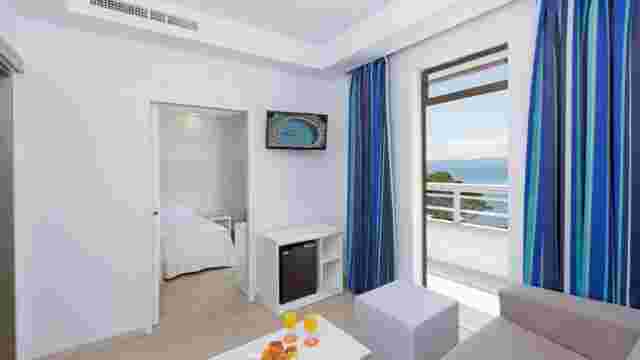
Inmood Aucanada
A charming hotel blends with nature, offering unique architecture, lively ambiance, and exceptional hospitality, creating a welcoming "big house" feel.
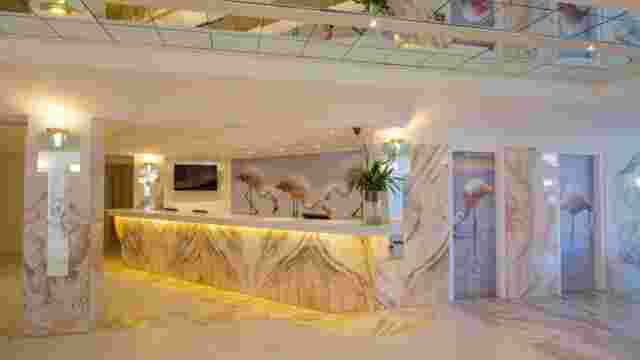
Iberostar Ciudad Blanca
Seafront location with family-friendly beach, gourmet dining at a beach club, and kids' entertainment in a Mediterranean garden setting.
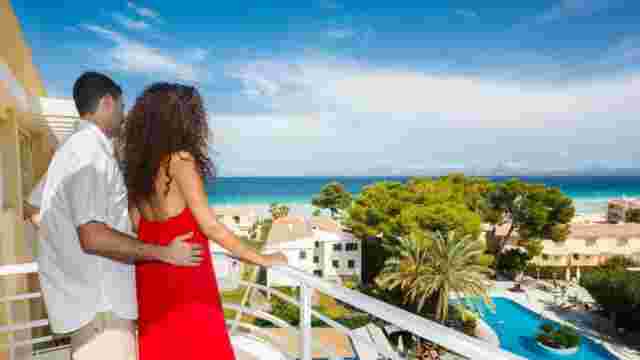
Ivory Playa
Ideal for family or couples, this spot offers sports holidays with cycling, tennis, and golf. Enjoy multiple pools, a spa, and a cozy atmosphere.
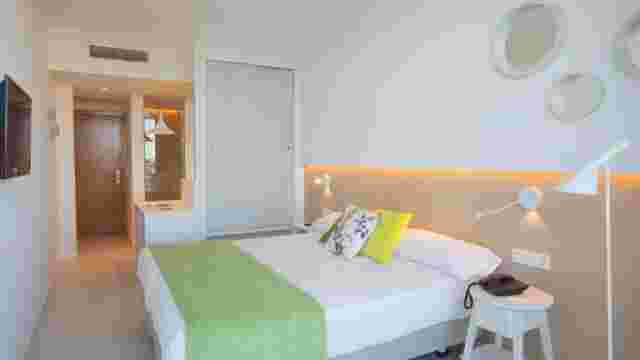
Js Sol De Alcudia
Enjoy stunning lake and mountain views, vibrant nightlife, and beach proximity. Features include a cycling center, pool, sauna, and free WiFi.
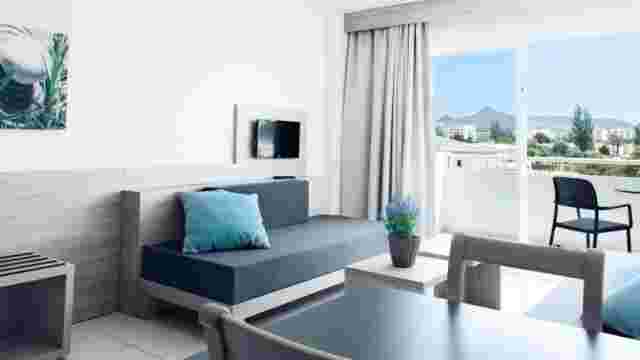
Lagoon Center
Spacious apartments with full kitchens, air conditioning, and balconies. Features include a pool with disabled access, children's play area, gym, and solarium.
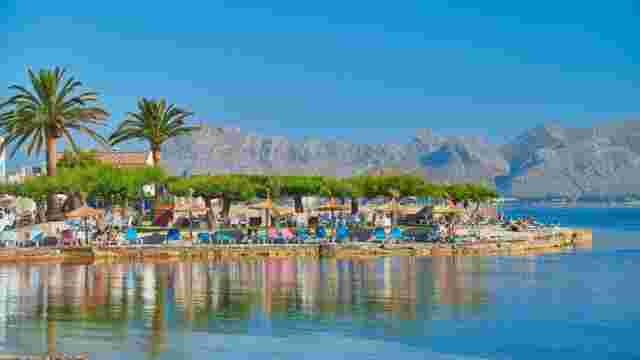
Moré
Enjoy stunning sea views, beach access, hiking, biking, and golf, all set in a beautiful natural environment perfect for outdoor activities.
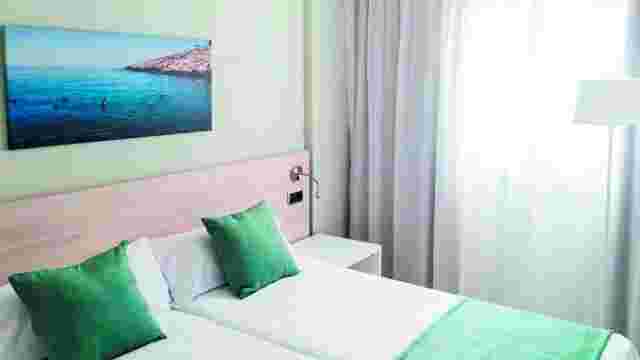
Olive Beach
A newly refurbished spot with extensive services, close to bars, restaurants, a beach, port, and waterpark, ideal for families and friends.
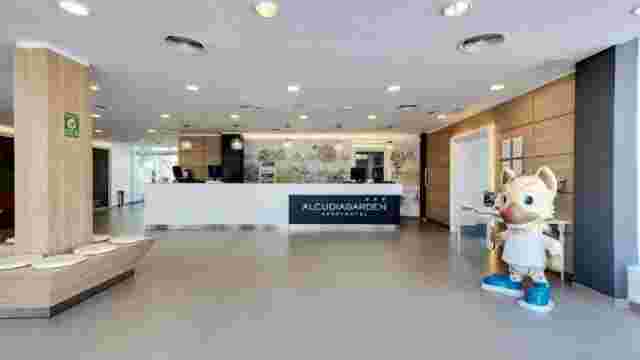
Palm Garden
Family-friendly apartments near stunning beaches, offering access to hotel amenities, relaxation by the Mediterranean, and entertainment for all ages.
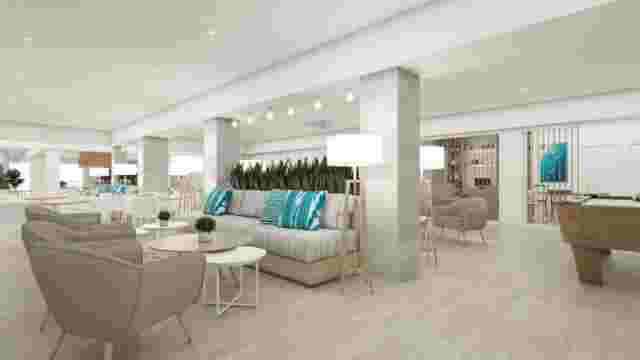
Piscis By Blue Sea
Adults-only hotel with 2 pools, buffet dining, and cycling-friendly facilities. Offers free high-speed Wi-Fi, mountain views, and activity bookings.
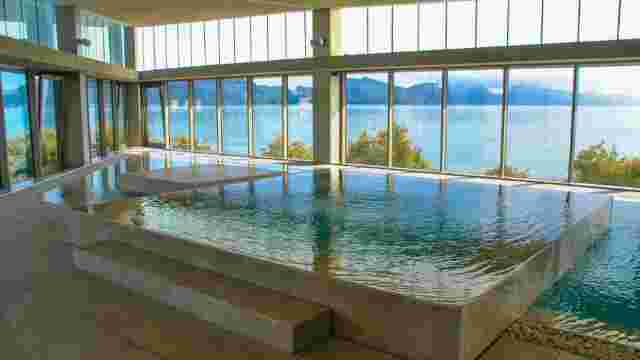
Portblue Club Pollentia Resort & Spa
Nestled by the sea, this resort offers nature, sports facilities, and a 3-floor spa for relaxation and fun, catering to both families and adults.
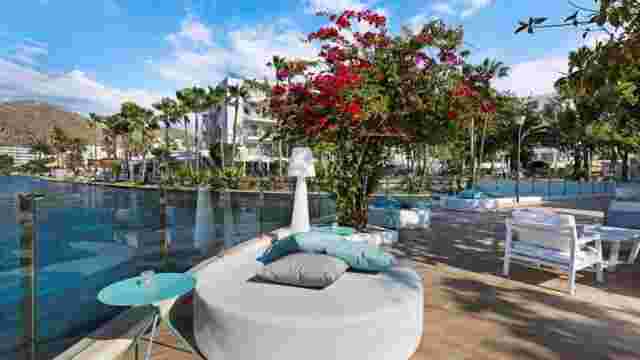
Alua Boccaccio
A 4-star hotel ideal for families, couples, and cyclists, offering refurbished rooms, a beach restaurant, playground, and sports facilities.
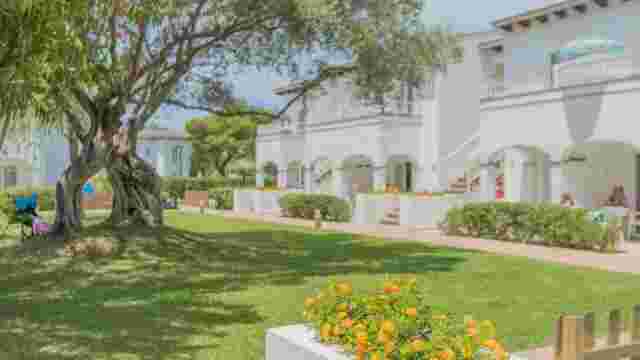
Sea Club Mediterranean Resort
Mediterranean-style villas with pools, sports areas, snack bars, a buffet restaurant, and supermarkets offer family-friendly fun and relaxation.
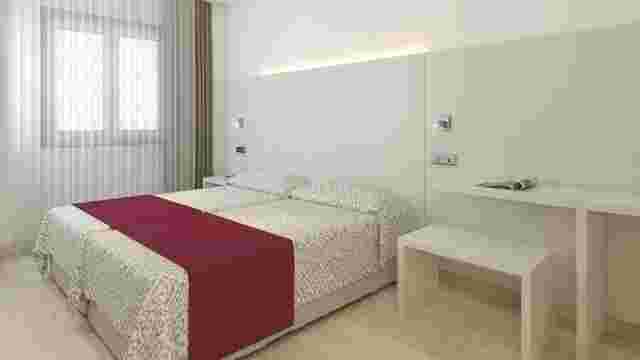
Ses Dalies
Renovated designer apartments with pools, just 70m from a stunning beach, ideal for families and couples seeking a tranquil vacation with modern amenities.
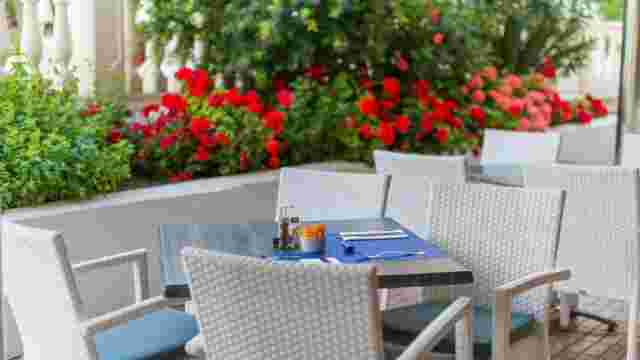
Siesta I
Family-friendly apartments with pools and a restaurant, ideal for a relaxing beach stay in northern Majorca.
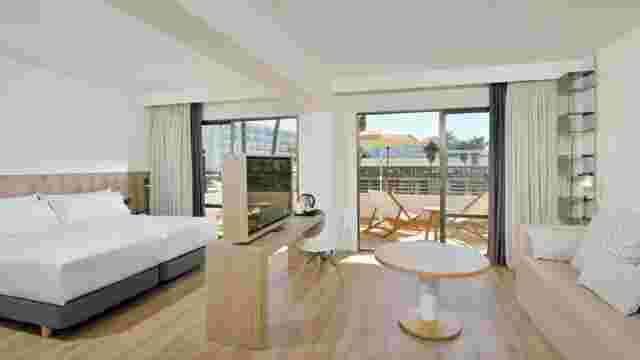
Innside By Melia Alcudia
Experience a legendary vacation with a fabulous outdoor pool, Katmandu Adventures for kids, and delicious international buffets with local specialties.
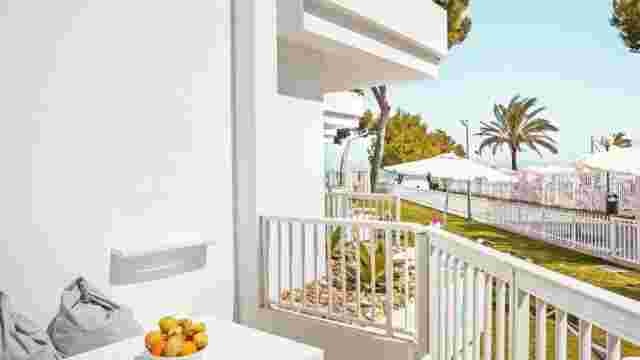
Sunwing Alcudia Beach
Award-winning family paradise with beachfront location, perfect for a memorable family holiday.
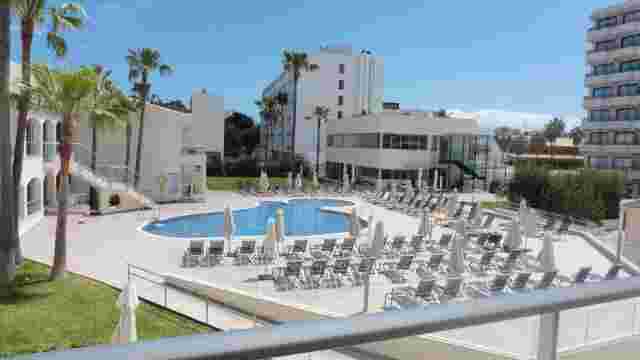
Trendhotel Alcudia
A chic 4-star superior design hotel, just 250 meters from the beach, offering half board and catering exclusively to guests aged 15 and over.
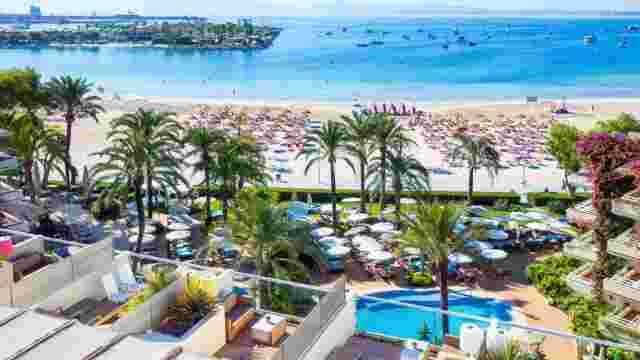
Viva Golf
Enjoy beachfront tranquility, nearby golf, relaxing massages, cycling, modern cozy rooms, exquisite dining, and a variety of sports with exclusive discounts.
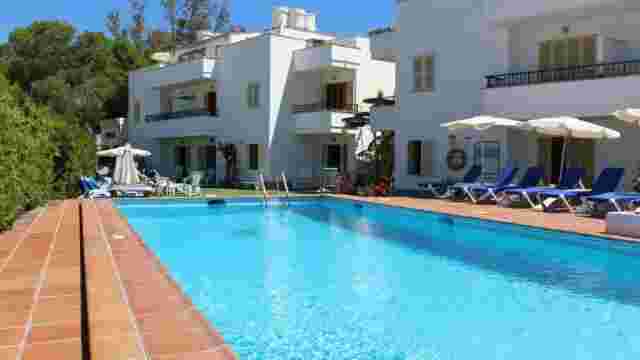
Venecia
Ideal for family holidays, this spot offers beach access, vibrant nightlife, and sports like surfing and horse riding, with stunning bay views and excursions.
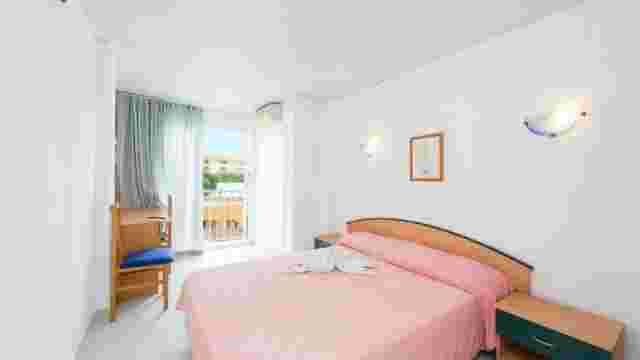
Vista Alegre By Eurotels
Beachfront location with bay views, ocean-view rooms with balconies, and free Wi-Fi; perfect for a budget-friendly holiday near a nautical club.
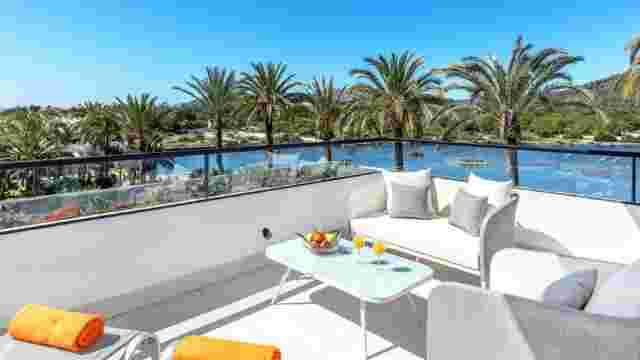
Viva Eden Lago
Enjoy themed dinners, stunning sunsets, and activities like kayaking and paddle surfing by a serene lagoon, just 300 meters from a beautiful bay.
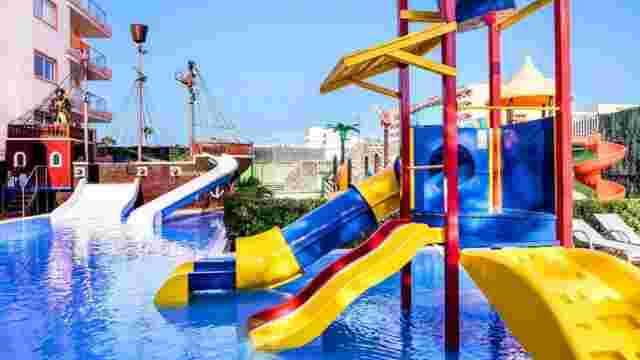
Viva Sunrise
Family-friendly hotel with kids' activities, near a charming beach and canal, offering relaxation for adults and facilities for cyclists and athletes.
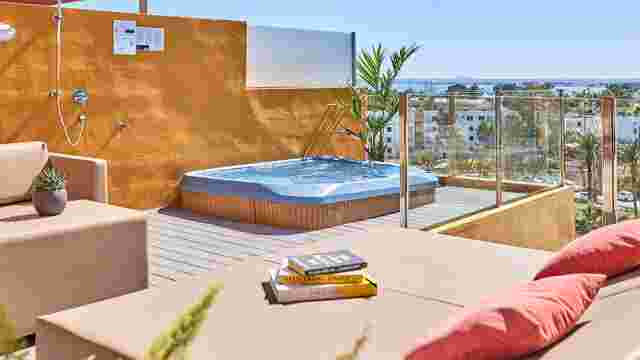
Zafiro Tropic
Elegant studios, spa with sauna, adult-only chill-out pool, golf courses, cycling routes, and family-friendly playground with a pirate ship.
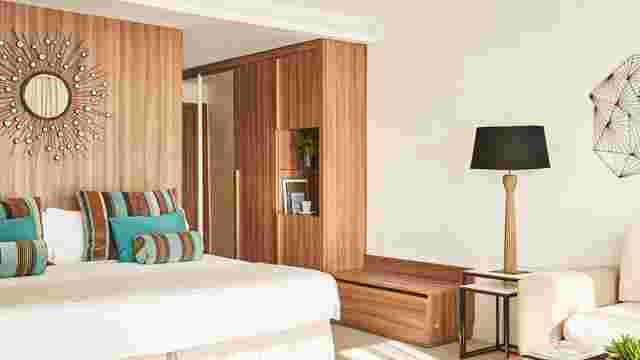
Zafiro Palace Alcudia
Luxurious suites, exclusive spa, themed dining, and versatile event spaces offer a memorable experience with pools, fitness, and nearby golf for all visitors.
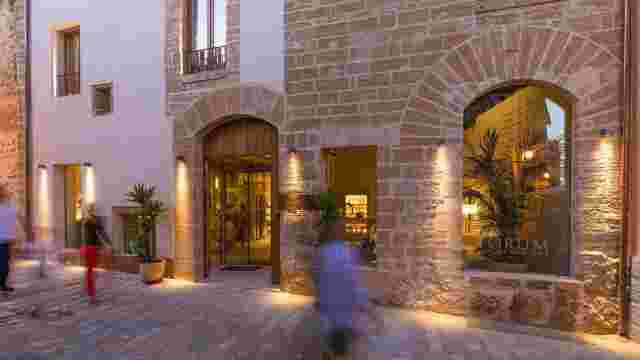
Forum Alcudia Boutique Hotel & Spa
A charming hotel in a historic area offers modern rooms, a spa, and a chill-out terrace. Close to beaches and cultural sites, ideal for a romantic getaway.
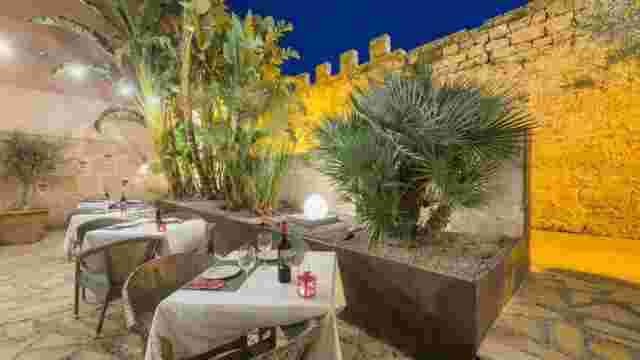
Alcudia Petit "Cas Sucrer"
Experience comfort, sun, beach, culture, and cuisine in a modern 9-room hotel set in a historic house, offering relaxation and countless discoveries.
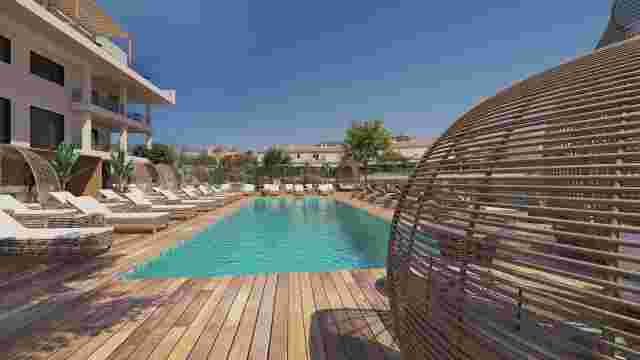
Thb Bamboo Alcudia
Adults-only hotel with lagoon views, two pools, gym, and diverse dining options, including a buffet with show cooking. Enjoy a peaceful, sustainable stay.
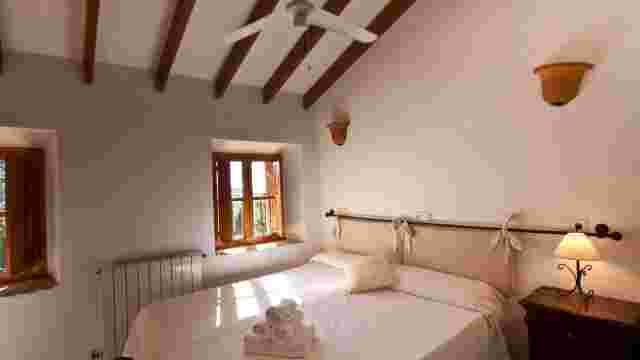
La Victoria Hostatgeria
Stay in a unique accommodation atop a hermitage, surrounded by nature and tranquility in a beautiful natural park on Mallorca.
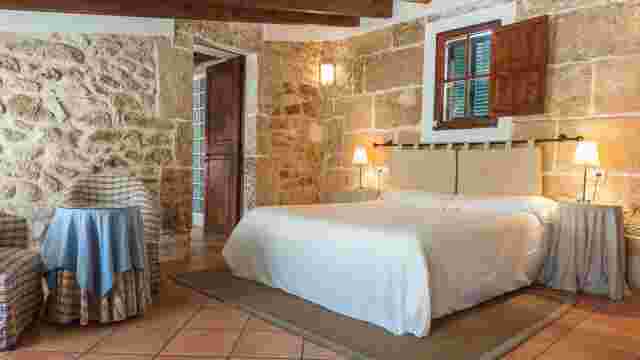
Can Simó Alcudia
A beautifully remodeled 19th-century manor blending traditional Mallorcan charm with modern luxury, set amid stunning bays in a historic town.
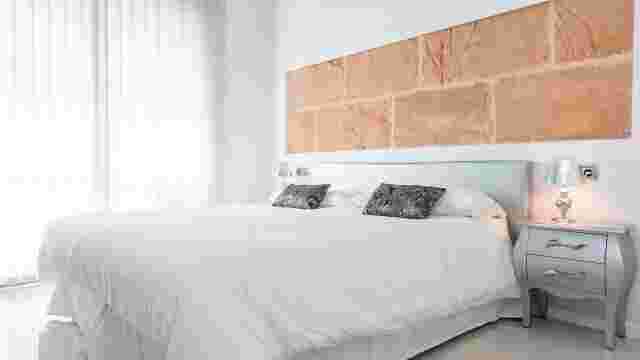
Can Vent Alcudia
This boutique spot blends rustic and minimalist styles, highlighting glass, iron, and light, offering uniquely modern, comfortable, and familiar rooms.
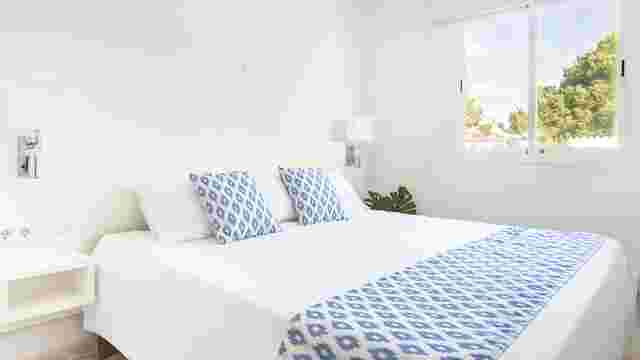
Bonavida Apartments Pines
Just steps from the beach, this family-friendly spot offers a pool, nearby dining, and playgrounds, with apartments boasting sea and garden views.
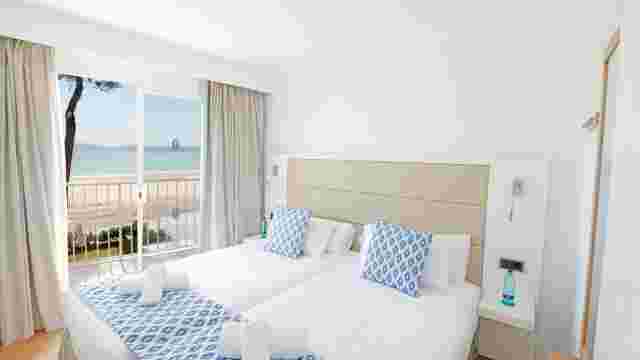
Bonavida Apartments Palms
Seafront flats offer Mediterranean views, garden access, and Balinese beds for relaxation. Enjoy a Lounge Bar, bike rides, and a Slow Life experience.
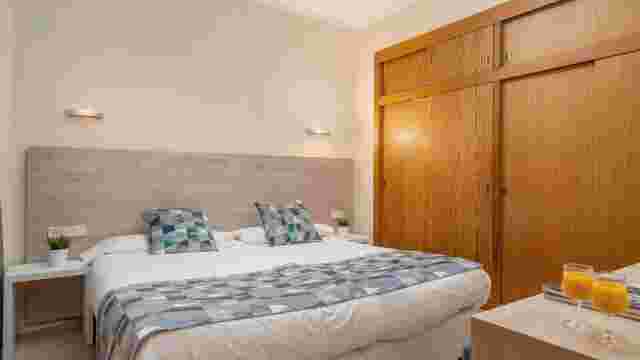
Apartamentos Carlos V
Located in a medieval town, these apartments offer a blend of sea, mountains, culture, and history, perfect for a unique tourist experience.